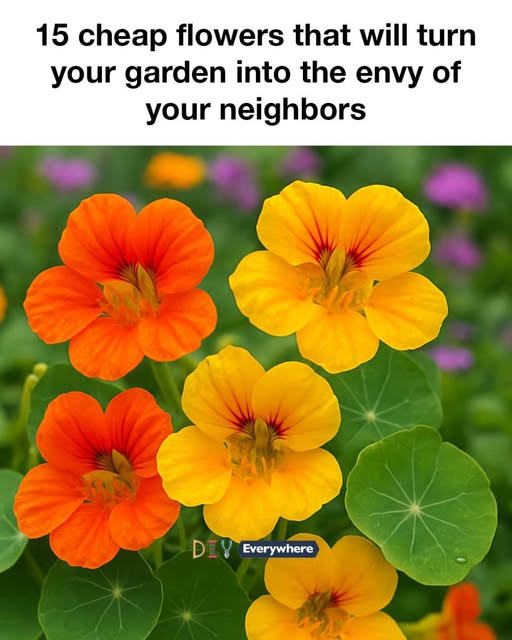
When selecting flowers for your garden, consider factors such as climate, soil type, and sunlight availability. Choose flowers that are well-suited to your local environment to ensure they thrive. Additionally, think about the color scheme and overall aesthetic you want to achieve. Mixing different heights, textures, and colors can create a visually appealing garden. It's also important to consider the blooming season of each flower to ensure your garden has continuous color throughout the year.1. Marigolds: The Vibrant Pest Repellent
Marigolds are not only affordable but also serve as natural pest repellents. Their bright orange and yellow blooms are known to deter nematodes and other garden pests. Marigolds thrive in full sun and can be planted in borders, containers, or as companion plants in vegetable gardens. They are easy to grow from seeds and require minimal maintenance, making them a perfect choice for budget-conscious gardeners.
2. Petunias: The Versatile Bloomers
Petunias are a versatile and colorful addition to any garden. Available in a wide range of colors, they can be used in hanging baskets, window boxes, or as ground cover. Petunias prefer full sun and well-drained soil. They are drought-tolerant once established and can bloom from spring until the first frost. Regular deadheading will encourage continuous flowering, ensuring your garden remains vibrant throughout the growing season.
3. Zinnias: The Long-Lasting Beauties
Zinnias are known for their long-lasting blooms and come in a variety of colors and sizes. They are easy to grow from seeds and thrive in full sun. Zinnias are excellent for cutting gardens, as their flowers can last for weeks in a vase. These hardy annuals are also resistant to heat and drought, making them ideal for summer gardens. Plant zinnias in well-drained soil and enjoy their vibrant display all season long.
4. Sunflowers: The Tall Statement Makers
4. Sunflowers: The Tall Statement Makers