Low risk to public health but increased transmissibility (7/12)
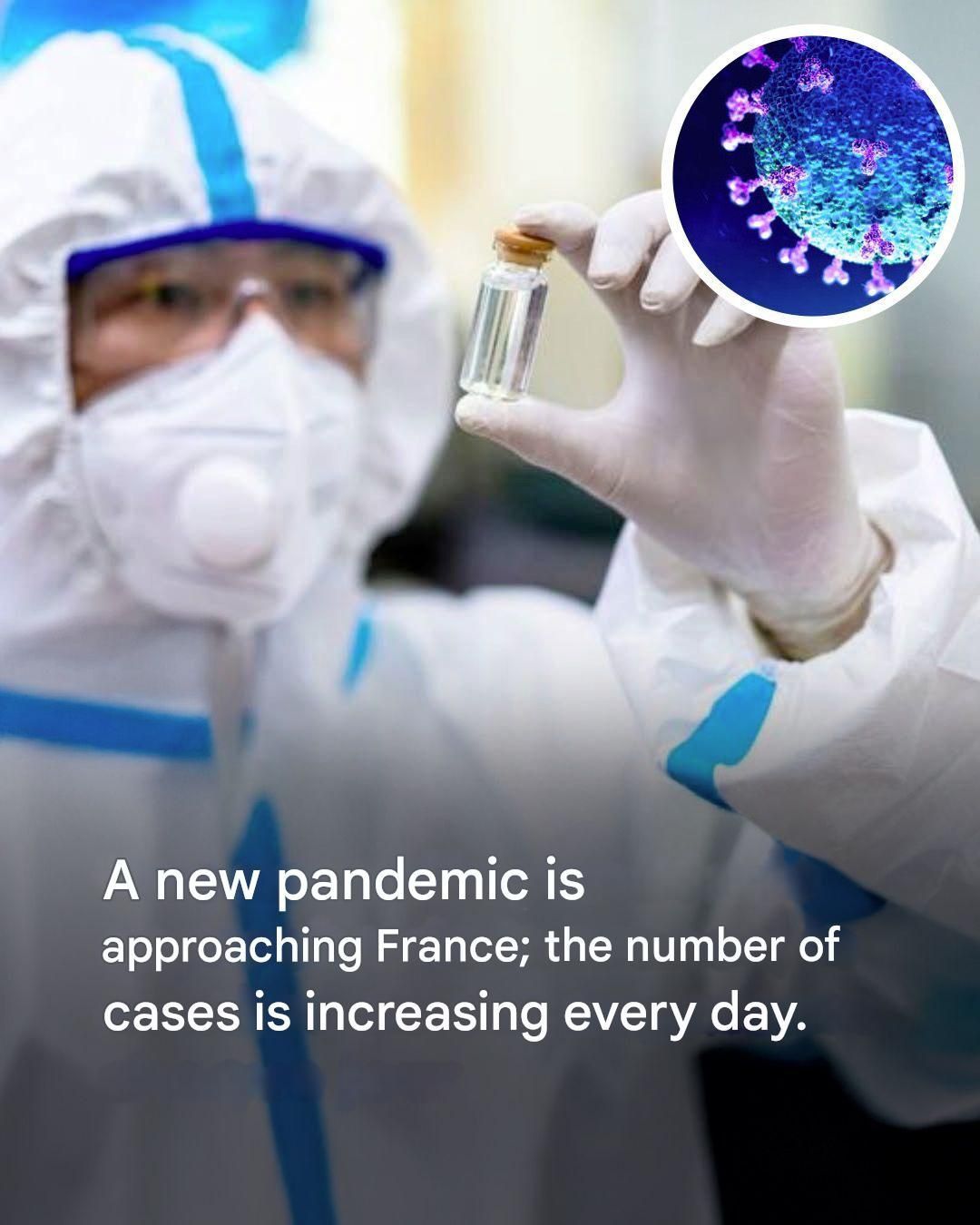
According to the WHO, the additional risk to public health posed by NB.1.8.1 is considered low globally. Nevertheless, the mutations observed could increase its transmissibility, which requires further studies. Scientists are concerned that these mutations could reduce the effectiveness of antibodies and promote immune evasion.Rapid growth of the NB.1.8.1 variant (8/12)
Virologist Bruno Lina explained that the variant could have a growth advantage, as it penetrates cells faster and reproduces more efficiently. These characteristics could make NB.1.8.1 the dominant variant in the future, although more research is needed to confirm these hypotheses.
© Shutterstock
Surveillance of the NB.1.8.1 variant (9/12)
The surveillance of this variant by the WHO has revived memories of the emergence of SARS-CoV-2, the origin of which remains uncertain. Global health authorities are calling for vigilance, while reminding that current vaccines are still an effective defense against severe forms of the disease.
© Shutterstock
Ad
Ad
Global tracking of the NB.1.8.1 variant (10/12)
Scientists around the world are closely monitoring the evolution of NB.1.8.1, seeking to fully understand its potential impact on public health. Although the variant is not yet dominant, its rapid progression and worrying mutations warrant sustained attention.© Shutterstock
Ad
Ad