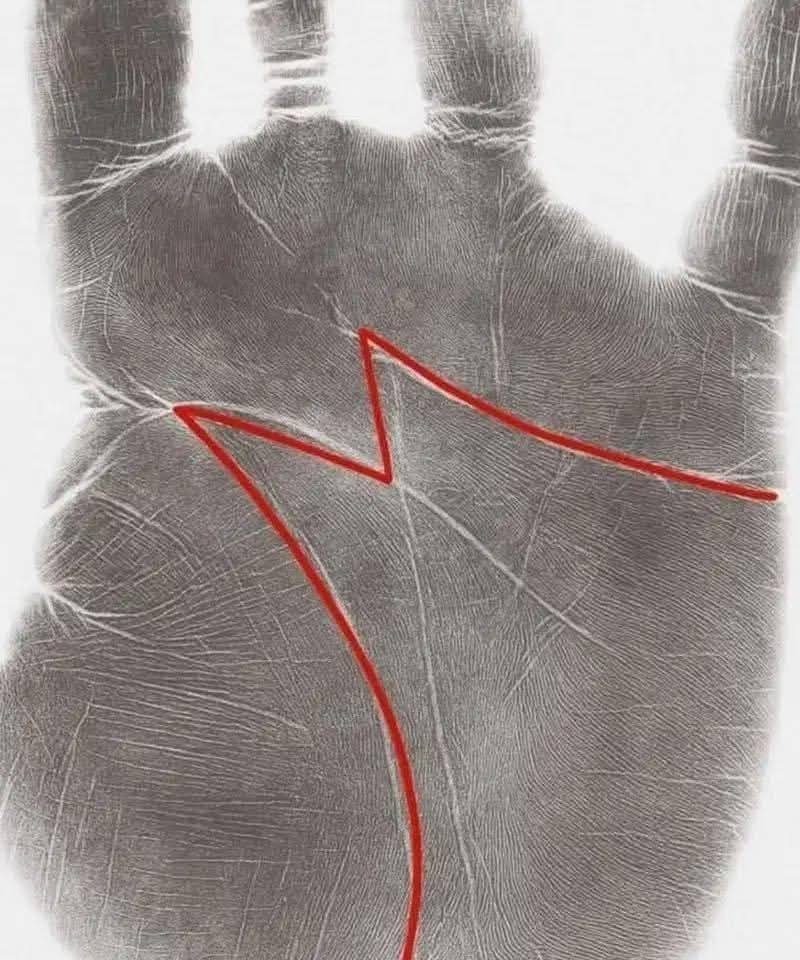
→ Head line (middle horizontal line)
→ Life line (curving around the thumb)
→ Fate line (vertical line toward the wrist—present in some people)
When these lines cross at specific angles, they can resemble an “M.” This pattern appears in an estimated 10–15% of the population—roughly as common as left-handedness. It occurs across all ethnicities, genders, and cultures.
Folklore vs. Reality: What the “M” Supposedly Means
Folklore Claim
Scientific Perspective
“People with ‘M’ have supernatural intuition”
Intuition develops through experience, emotional intelligence, and pattern recognition—not palm lines
“They can’t be lied to”
No biological mechanism links hand lines to lie detection. Trust is built through relationship, not anatomy
“Women with ‘M’ have stronger intuition than men”
Gendered claims about intuition lack scientific basis. Emotional intelligence varies individually, not by palm markings
“They’re natural leaders/prophets”
Leadership emerges from opportunity, character development, and circumstance—not hand patterns
These beliefs reflect cultural storytelling, not observable reality. Similar myths exist worldwide: in some traditions, the “M” represents Mary (Christianity); in others, Moksha (liberation in Hinduism). Meaning is assigned by culture—not inherent in the mark itself.