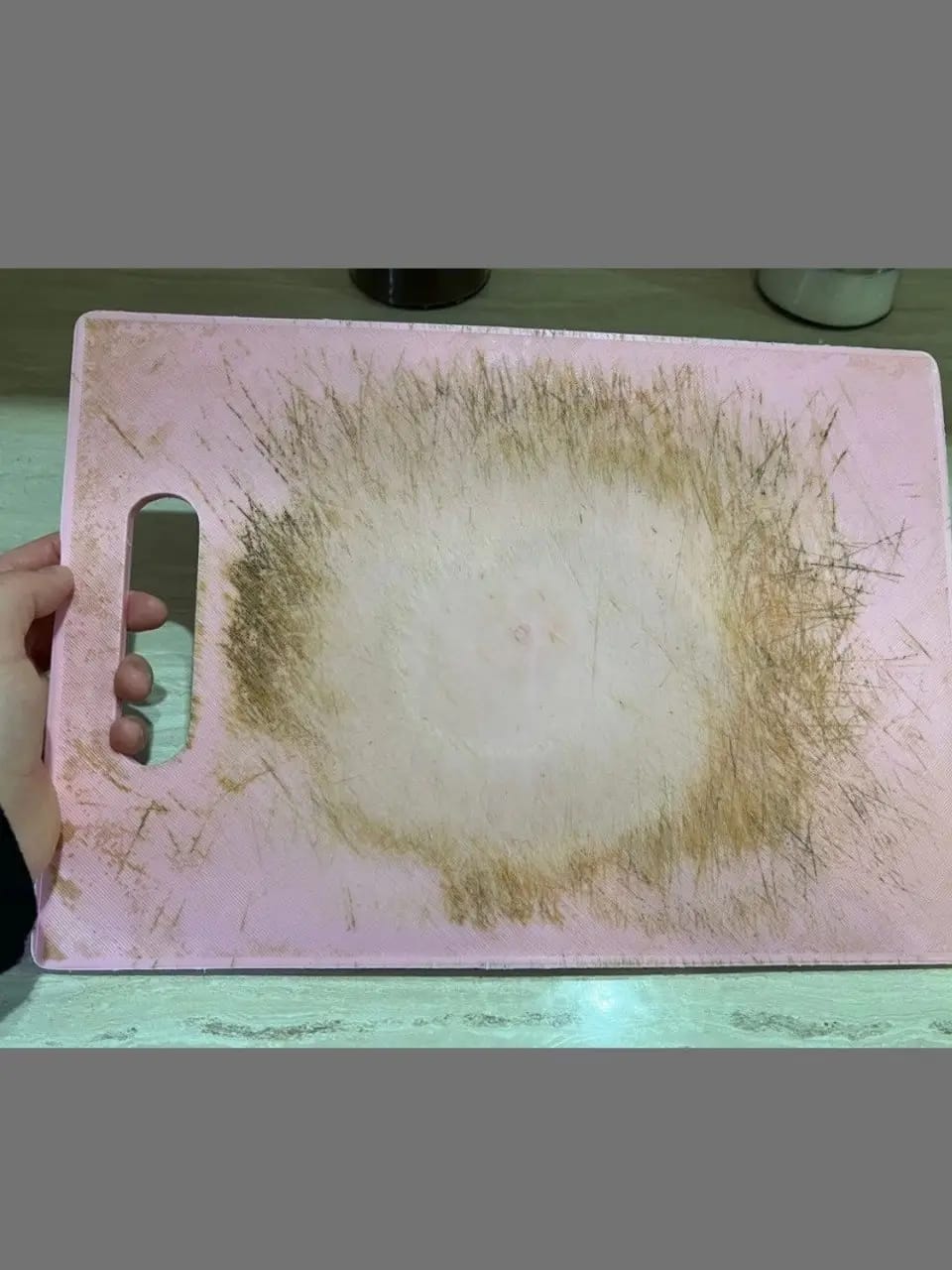
After each use, wash your plastic cutting board immediately with hot, soapy water. This prevents food particles and bacteria from lingering. For best results, use a scrub brush or sponge to clean both the cutting surface and the edges. Avoid using a cloth or towel, as it can spread bacteria around rather than effectively cleaning.
2. Use the Right Cleaning Products
When cleaning your cutting board, choose cleaning products that won’t cause damage. A mixture of water and dish soap is usually enough to clean most stains. For tougher stains, try using a gentle abrasive cleaner. Never use harsh chemicals that can leach into the surface of the board.
3. Disinfect Regularly
To kill bacteria and viruses, you need to disinfect your plastic cutting board regularly. An easy way to do this is by using a solution of one tablespoon of bleach in one gallon of water. Simply soak the cutting board in the solution for a few minutes, rinse it thoroughly with water, and dry it with a clean towel.
For a more natural disinfectant, try using white vinegar. Vinegar has antibacterial properties that are effective in sanitizing the board.
4. Remove Deep Stains
As seen in the image above, cutting boards can develop deep stains over time, particularly from food like tomatoes, curry, or beets. To tackle this issue, create a paste from baking soda and water. Apply the paste to the stains and scrub with a brush. Let the paste sit for a few minutes before rinsing. The abrasive nature of the baking soda will help lift stains without damaging the board.
If you’re dealing with particularly tough discoloration, try rubbing a lemon half over the stains. The acid in the lemon can help lighten the discoloration and also adds a fresh scent to your cutting board.
5. Avoid Cross-Contamination
Plastic cutting boards are prone to deep grooves from knives, and these grooves can trap food particles, leading to potential cross-contamination. To reduce this risk, you can designate specific boards for certain tasks. For example, use one cutting board for raw meats and another for vegetables or bread.
Another good practice is to make sure your knives are sharp. Dull knives cause more damage to the cutting surface and create more grooves where bacteria can accumulate.