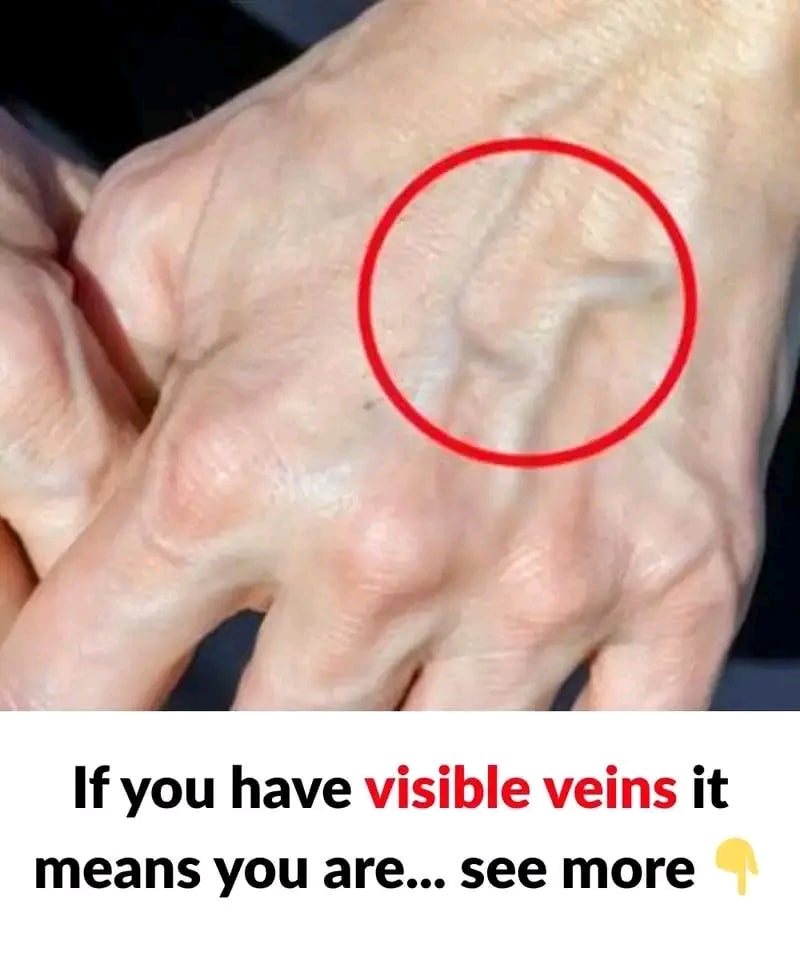
As we age, skin naturally becomes thinner and loses elasticity. This can make veins more apparent, especially on the hands and forearms. Sun damage or certain medical conditions can accelerate skin thinning, increasing vein visibility.
4. You’re Experiencing Increased Blood Flow
Temporary vein prominence can occur after exercise, heat exposure, or heavy lifting, when your blood vessels expand to accommodate increased circulation. This is generally harmless and usually subsides once your body cools down.5. It Could Be a Sign of Circulatory Issues
In some cases, visible veins may indicate venous insufficiency or weakened vein walls, especially if accompanied by swelling, pain, or a heavy feeling in the legs. Varicose veins, often blue or bulging, are a common example. These occur when valves in the veins fail, causing blood to pool and veins to enlarge.
6. Genetics Plays a Role
Your genes largely determine vein visibility. If your parents have prominent veins, you are more likely to have them too. This is usually harmless, as vein structure, skin thickness, and fat distribution are hereditary traits.
7. Hydration and Temperature Can Affect Visibility
Dehydration or exposure to heat can make veins appear more pronounced. Conversely, cold causes veins to constrict, making them less visible. Seasonal changes can even affect vein prominence.
When to See a Doctor
Sudden swelling or pain in the legs
Bulging veins that are red, itchy, or tender