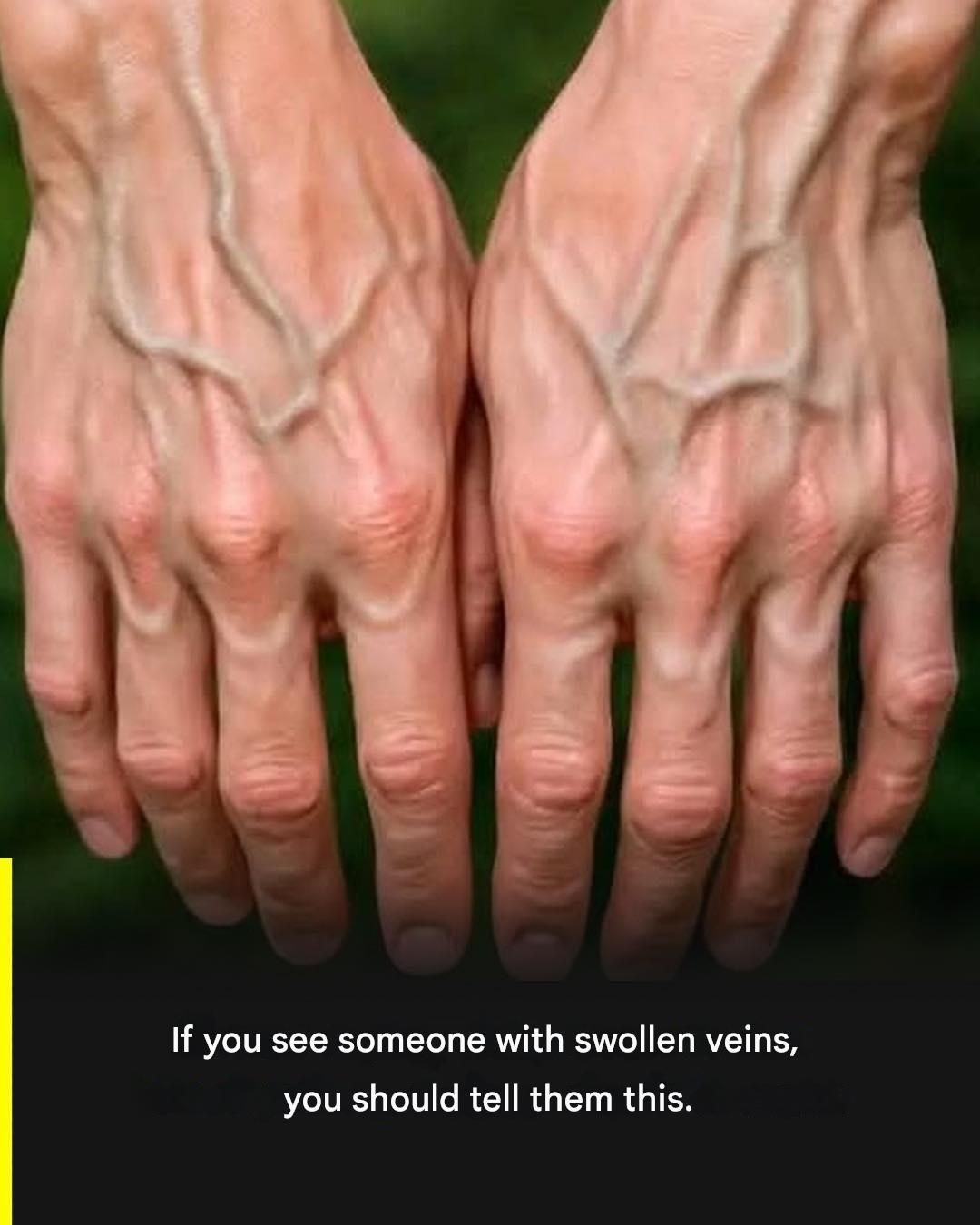
muscular generally have thinner skin, which makes veins more apparent. This phenomenon is even more pronounced in people who engage in regular physical activity, particularly weight training or high-intensity exercises, as these temporarily increase blood flow, causing veins to dilate and become more visible.Another natural factor at play is aging. Over the years, skin loses collagen, a protein essential for its firmness and elasticity. As it thins and loses elasticity, internal structures like veins become more visible, especially on the hands, where the skin is naturally delicate.
High temperatures can also be a factor. In hot weather, the body tries to regulate its temperature by dilating blood vessels, which allows heat to escape more easily through the skin. This can make veins more visible after a hot bath in the summer or after prolonged sun exposure.
While visible veins are generally not a cause for concern, certain situations require closer attention. For example, if veins appear swollen, change color, or are accompanied by pain, a feeling of heaviness, or burning, it could be varicose veins or a circulatory problem, such as phlebitis or, in more serious cases, thrombosis. If these symptoms occur, it is advisable to consult a specialist for a thorough medical examinationDehydration or a poor diet can also make veins more visible. When the body lacks water or certain nutrients, the skin can lose thickness and elasticity, becoming more transparent and clearly revealing what lies beneath.