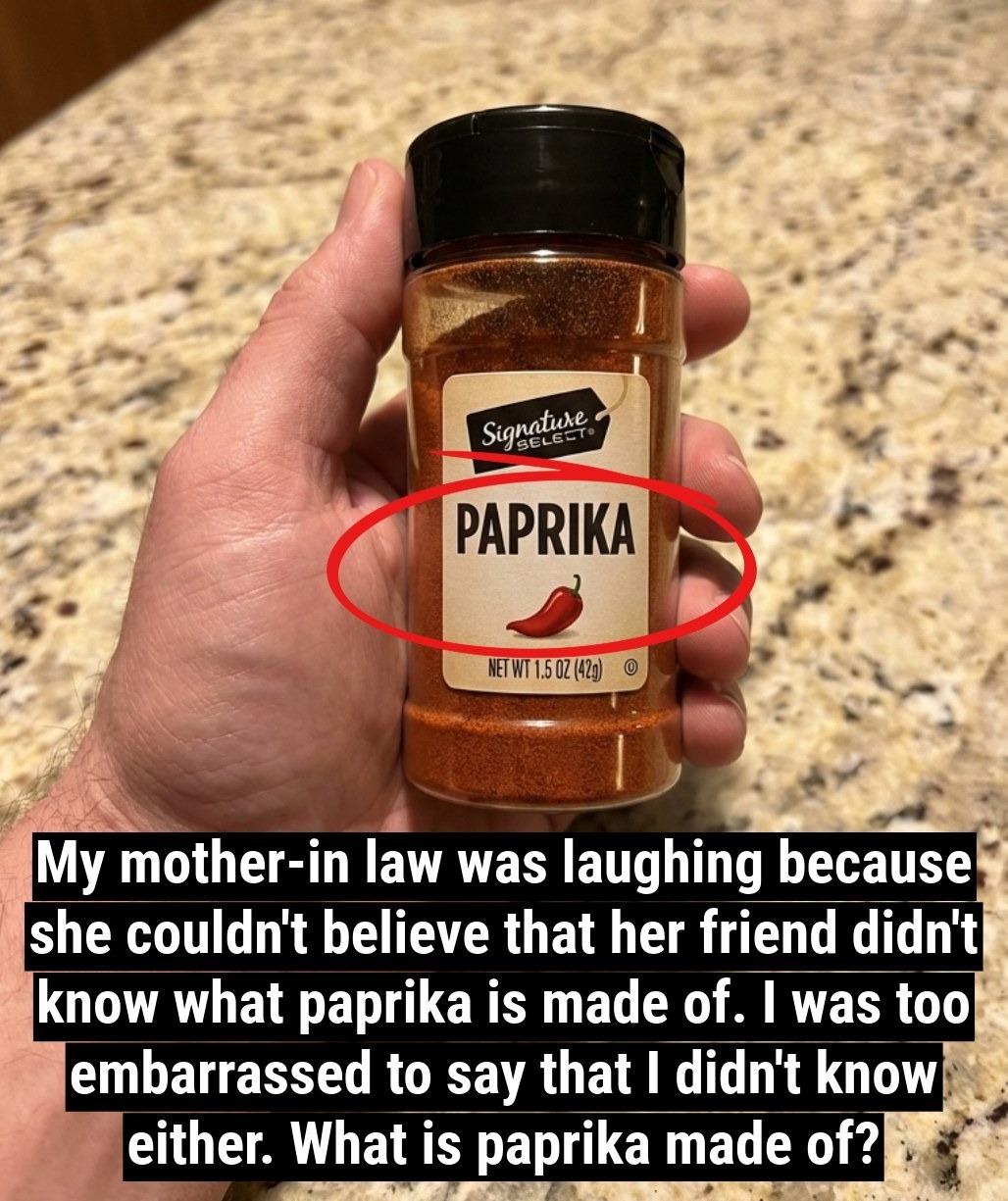
Smoked Paprika – Dried over wood fires, giving it a deep, smoky aroma.
Hungarian and Spanish Paprika – Regional styles with distinct flavor profiles and heat levels.
When people encounter smoked paprika, for example, they often assume it’s a blend because the flavor feels layered. In reality, the complexity comes from the drying process, not a mix of ingredients.
A Cultural Staple, Not a Mystery Blend
Paprika is central to Hungarian cuisine—think goulash—and essential in many Spanish dishes, where it’s known as pimentón. In these culinary traditions, paprika isn’t decorative; it’s foundational. It shapes the character of entire dishes.
In the United States, however, paprika is often relegated to garnish duty. A dash on top of potato salad for color. A light dusting for visual appeal. When a spice is used mostly for aesthetics, it’s easy to forget it has agricultural roots.
The Takeaway