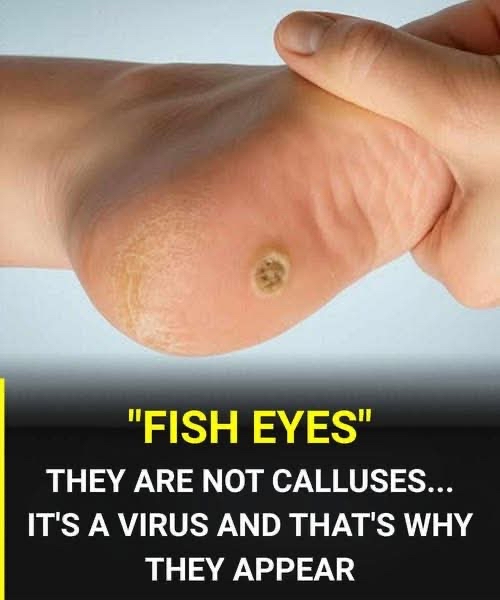
Unlike calluses caused by rubbing, plantar warts develop when the HPV virus sneaks into the skin through tiny cuts and cracks or abrasions, Mayo Clinic notes. Once the virus settles in, it begins to stimulate unusual growth. Since it’s viral, the virus has the potential to spread across the foot or even to other people in the right environment, which isn’t the case with calluses.
Plantar warts often grow inwards due to the pressure of walking, especially on the heel or ball of the foot, they are usually hidden under a thick layer of skin. This is what makes the wart appear as callus at first glance, but using callus remedies on a wart can only slow down the healing process and even trigger a painful irritation.
2. Causes and signs that can help identify plantar warts
What causes each?
As described above, calluses form when the skin is constantly grinding or pressing against the shoe, the ground, or even another toe. When this happens, the skin creates sort of a shield that helps protect it against the friction. It is not infectious or contagious.
Plantar warts on the other hand are infectious. HPV thrives on warm, dump surfaces like locker room floors, public showers, and pool decks. If you walk barefoot in places like these even with a microscopic nick on your foot, the virus will take advantage of the opening and will invade the foot. Since it’s an active infection, the wart can spread to other parts of your foot and even to other people.
Appearance
Although they are similar in appearance, there are a few differences between calluses and plantar warts:
Plantar warts tend to have a rough appearance. When you look closely, you may even see tiny black dots inside the wart. These are actually tiny clotted blood vessels, which are sometimes called “wart seeds.”
Calluses tend to have a more even appearance. There are no black dots inside a callus.