Afterwords, researchers used the feces of the mice in the first group to perform a fecal transplant on the mice in the second group to effectively transfer the pro-inflammatory gut bacteria. As suspected, the mice from the second group also developed autism-like behavior.
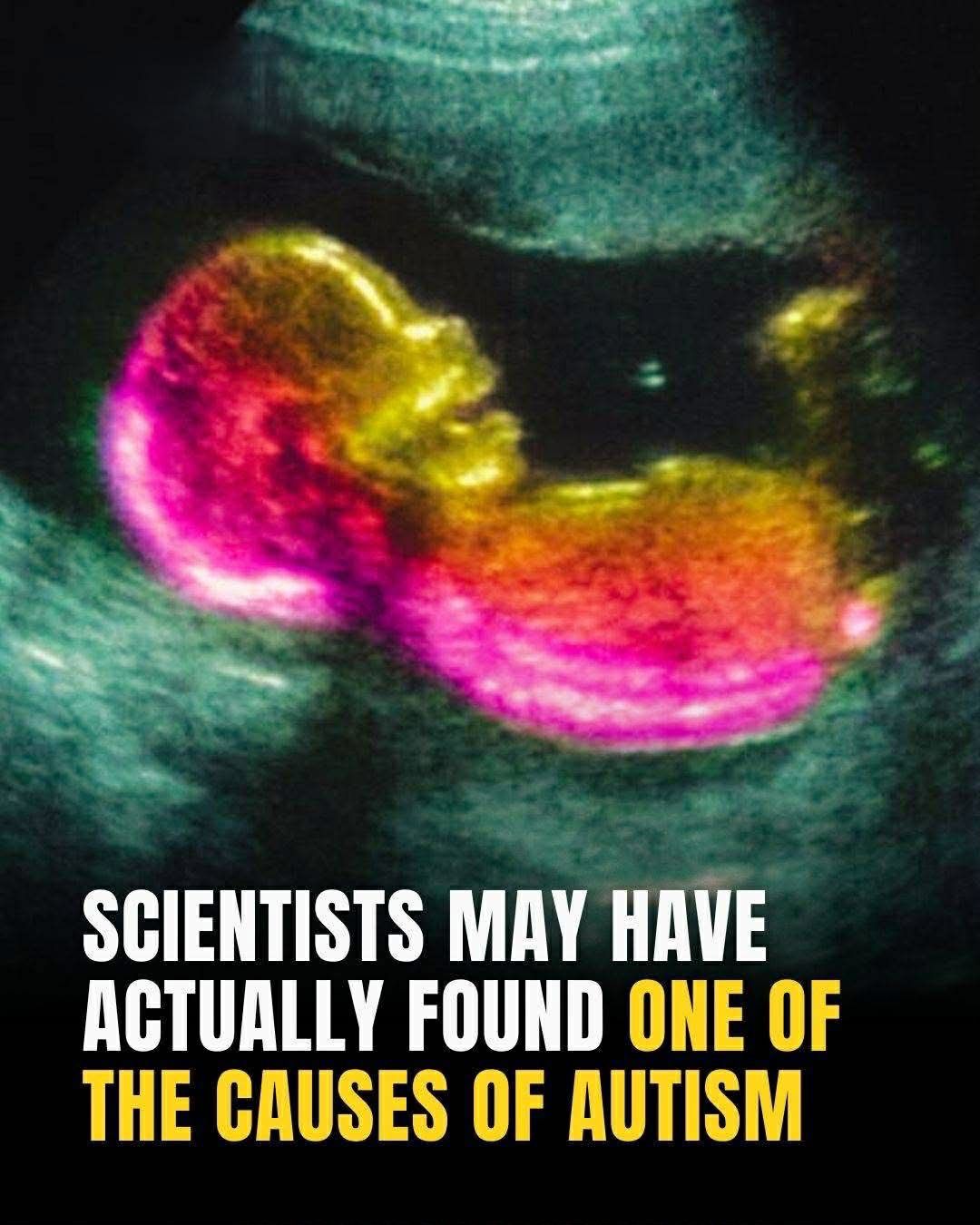
Study identifies possible connection to autism development, a molecule produced by the immune system called interleukin-17a, or IL-17a.
Pexels
While researchers have only conducted the study on mice, it does provide a foundation for further research that could determine the extent the mother’s gut health contributes to the development of neurodevelopmental disorders.
“In terms of translating our work to humans, I think the next big step would be to identify features of the microbiome in pregnant mothers that correlate with autism risk,” Lukens said. “I think the really important thing is to figure out what kind of things can be used to modulate the microbiome in the mother as effectively and safely as we can.”Health
While blocking IL-17a also might offer a way to prevent autism, Lukens said it comes with certai