B. The Strong Hereditary Link
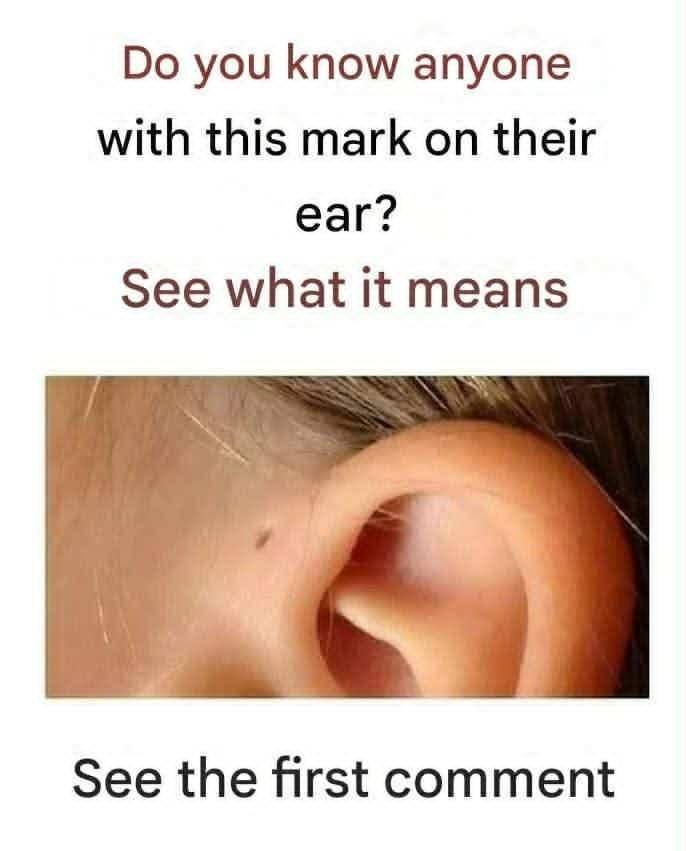
A defining characteristic of the preauricular sinus is its strong hereditary nature. It frequently runs in families, passed down through generations, often as an autosomal dominant trait with incomplete penetrance.
Autosomal Dominant: This means only one copy of the gene is needed for the trait to be expressed. If one parent has the gene, there is a 50% chance of passing it on.
Incomplete Penetrance: This is the key nuance. Not everyone who inherits the gene will actually show the pit. Environmental factors, other genetic modifiers, or sheer chance in development may prevent the pit from forming, even in individuals carrying the “pit gene.” This explains why the trait might skip a generation or manifest differently (unilateral vs. bilateral) among siblings.
Genetic mapping efforts have linked the P.A.S. to mutations on several chromosomes, underscoring its polygenic (multi-gene) nature and linking it to other branchial arch anomalies, such as branchio-oto-renal (BOR) syndrome.
III. Clinical Course and Management
A. Asymptomatic Quirk vs. Clinical Concern
For the vast majority (over 90%) of affected individuals, the preauricular sinus remains a completely asymptomatic, harmless genetic quirk requiring no intervention. It is often discovered incidentally during a routine physical exam.
However, the P.A.S. is not merely a superficial dimple; it is a small, inverted pocket of skin. The epithelial cells lining the tract constantly shed dead skin cells and secrete sebum (oil), forming a keratinous substance.