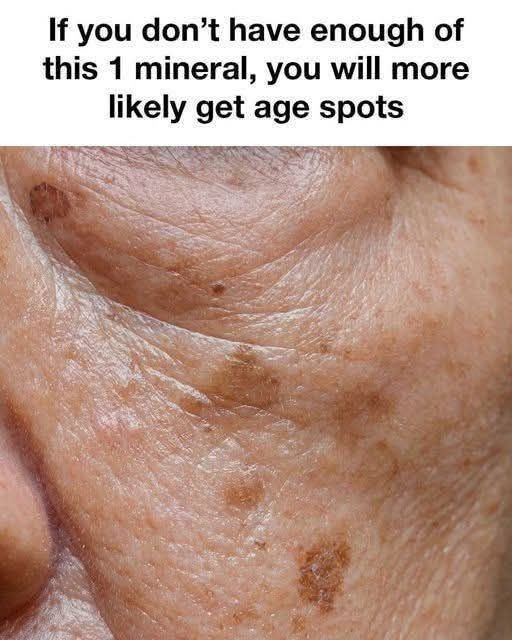
How to Ensure Adequate Selenium Intake
To maintain adequate selenium levels, it’s important to consume a balanced diet that includes selenium-rich foods. The recommended dietary allowance (RDA) for selenium varies by age and gender, but adults generally require about 55 micrograms per day. Regularly monitoring your diet and considering supplementation if necessary can help ensure you meet these requirements.
Dietary Sources Rich in Selenium
Selenium can be found in a variety of foods, with some of the richest sources being Brazil nuts, seafood (such as tuna, halibut, and sardines), and organ meats like liver. Other good sources include eggs, sunflower seeds, and whole grains. Incorporating these foods into your diet can help you achieve optimal selenium levels.
Selenium Supplements: Benefits and Risks
While selenium supplements can be beneficial for individuals with a deficiency, it’s important to use them cautiously. Excessive selenium intake can lead to toxicity, with symptoms such as gastrointestinal distress, hair loss, and nerve damage. It’s best to consult with a healthcare provider before starting any supplementation to ensure safe and appropriate use.
Is This Approach Healthy?
Supporting your body with essential minerals like selenium is part of maintaining a healthy lifestyle and balanced diet. Nutrition plays a major role in skin health because your skin constantly regenerates new cells.
A diet rich in antioxidants, vitamins, and minerals may help:
• Support natural skin repair
• Reduce oxidative stress
• Promote healthy aging
• Improve overall skin appearance
While selenium alone cannot prevent every skin issue, maintaining healthy nutrient levels can contribute to stronger skin protection and improved wellness.