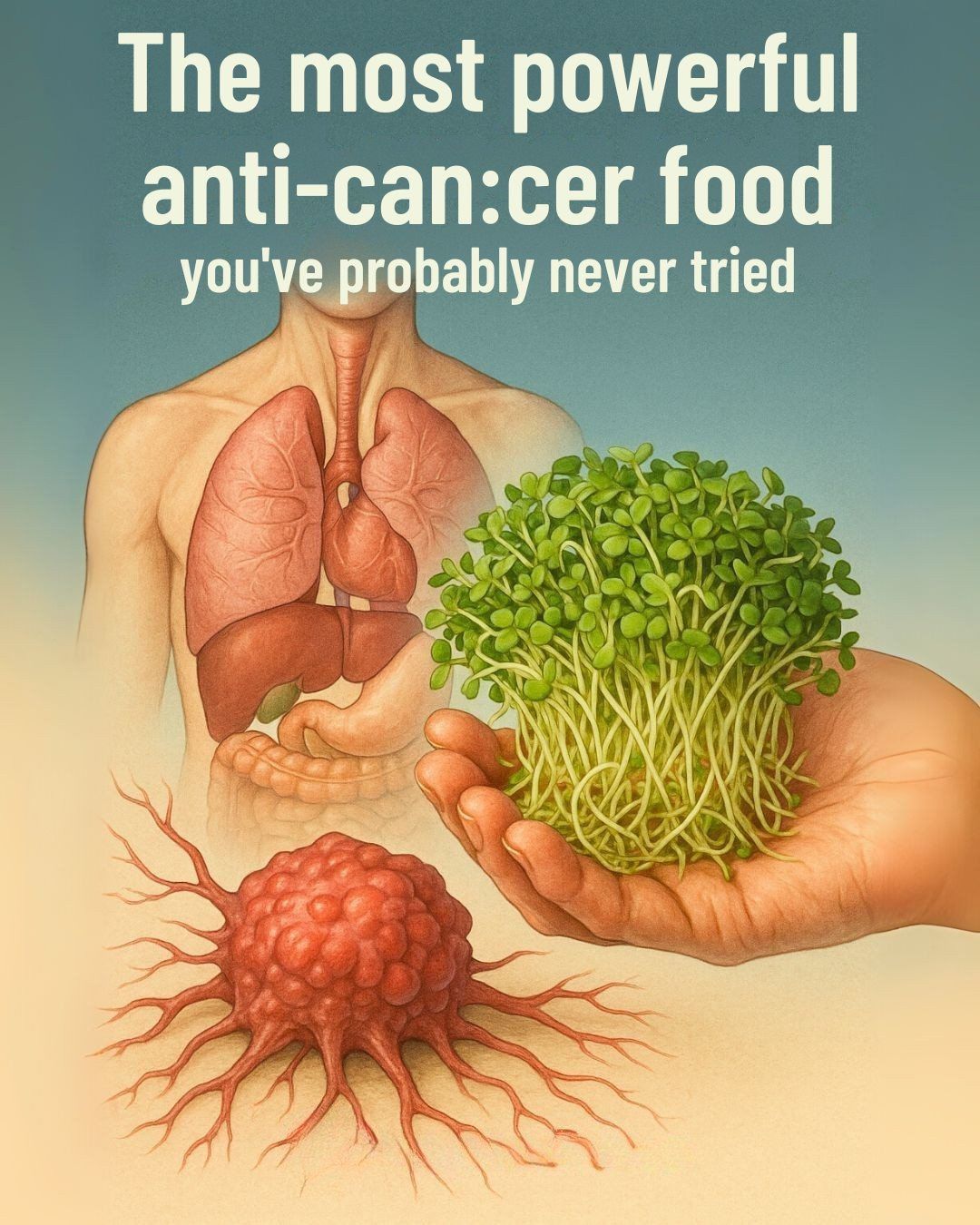
Unlike standard antioxidants that neutralize free radicals one at a time, sulforaphane activates long-lasting protective processes. From detoxification to DNA repair, this tiny plant compound helps your body defend itself against the root causes of disease.
What Is Sulforaphane?
Sulforaphane belongs to a group of compounds called isothiocyanates. It’s formed when you chew or blend broccoli sprouts: an enzyme called myrosinase converts the precursor compound into active sulforaphane.The concentration of sulforaphane precursors is vastly higher in sprouts than in mature broccoli heads, which explains their unique power. Just half a cup of sprouts can deliver the equivalent protective potential of several pounds of broccoli.
How Sulforaphane Works: Activating the NRF2 Pathway
Think of NRF2 as your body’s internal “master switch” for protection. When sulforaphane activates this switch, your DNA signals hundreds of genes to begin defensive operations, including:
Detoxification: Boosting Phase II detox enzymes that neutralize carcinogens and remove pollutants.
DNA Repair: Supporting the natural repair mechanisms that prevent harmful mutations.
Anti-Inflammation: Reducing chronic, low-grade inflammation that fuels cancer and other diseases.
Apoptosis (Cell Self-Destruction): Encouraging abnormal or precancerous cells to die off before they can spread.
Scientific Evidence
Clinical trials highlight sulforaphane’s effects. For example, participants who consumed broccoli sprout extracts excreted higher levels of airborne pollutants such as benzene, proving enhanced detoxification. Laboratory studies also show sulforaphane can slow cancer cell growth, reduce inflammation markers, and promote healthy cellular function.
Practical Guide: Adding Broccoli Sprouts to Your Life
Where to Find Them: Fresh broccoli sprouts are often sold in the refrigerated section of health food stores. Choose sprouts that look crisp, white, and green.
How to Grow Them: Use a wide-mouth jar, a sprouting lid or cheesecloth, and organic broccoli seeds. Soak overnight, then rinse and drain twice daily. In 4–5 days, you’ll have fresh sprouts ready to harvest.