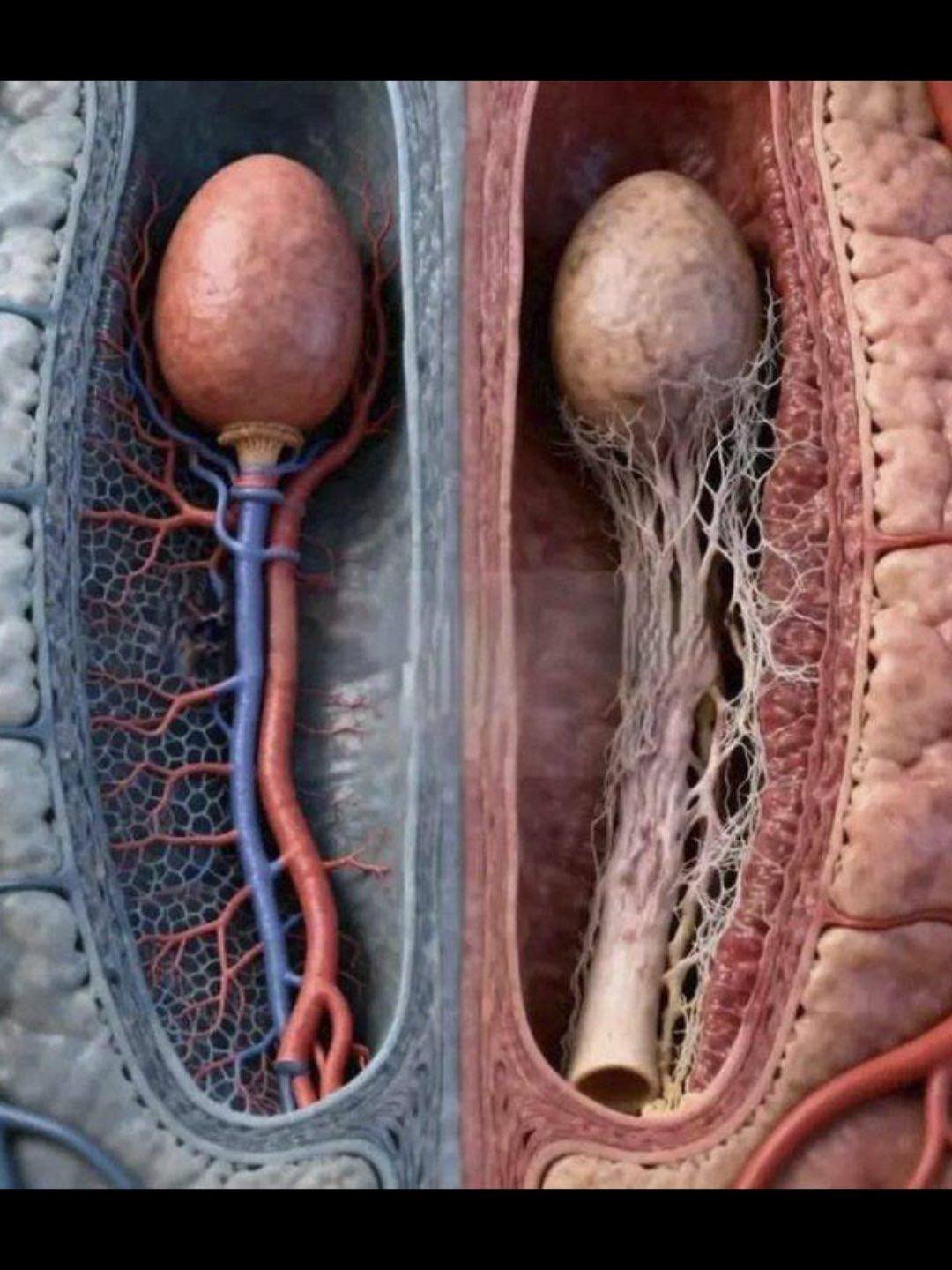
🩺 Why Kidney Health Declines With Age
After age 40, kidney function decreases by about 1% per year. By the time someone reaches their 70s or 80s, filtration capacity may be half of what it was in youth.
This isn’t just “normal aging”—it’s a vulnerability that can be worsened by:
High blood pressure (damages delicate kidney blood vessels)
Diabetes (high blood sugar scars filtering units)
Chronic dehydration (reduces blood flow to kidneys)
Long-term use of NSAIDs (ibuprofen, naproxen)
High-sodium diets (forces kidneys to work harder)
Smoking and excessive alcohol (reduces blood flow)
⚠️ Key fact: Early kidney disease has no symptoms. You won’t feel pain or fatigue until significant damage has already occurred.
🔍 Silent Warning Signs (Often Missed):
🔍 Silent Warning Signs (Often Missed)
Because kidneys are so resilient, problems go unnoticed until 30–50% of function is lost. Watch for subtle clues:
Foamy or bubbly urine (protein leakage)
Swelling in ankles, feet, or hands (fluid retention)
Persistent fatigue or trouble concentrating
Frequent urination (especially at night)
Dry, itchy skin (mineral imbalance)
High blood pressure that’s hard to control