The Hormonal Tug-of-War: Understanding Androgens
At the heart of most chin hair stories are androgens—the group of hormones that includes testosterone. Yes, women produce testosterone too, just in smaller amounts than men. These hormones play a normal, healthy role in female bodies, affecting everything from bone density to libido.
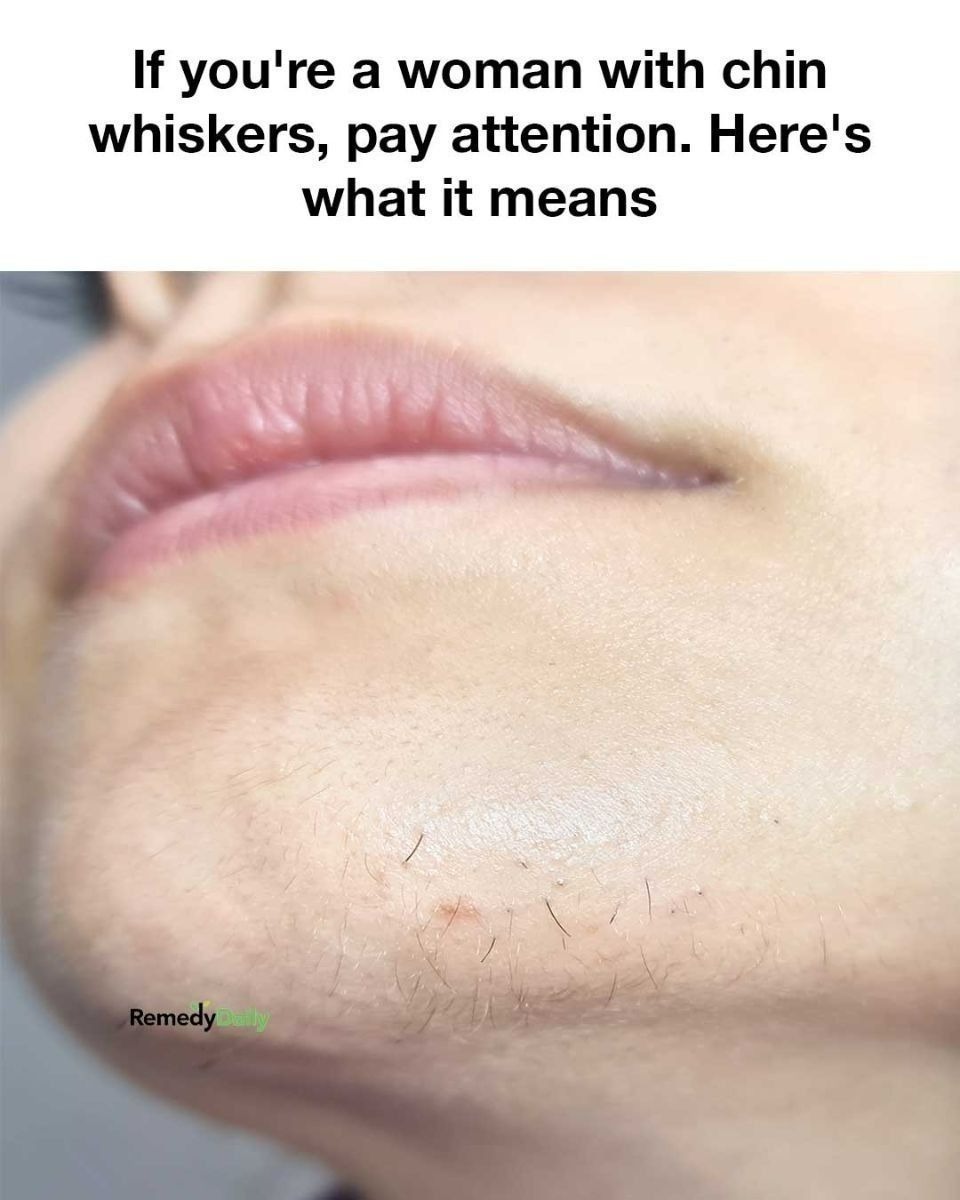
But sometimes, the scales tip. When androgen levels rise too high, or when your body becomes more sensitive to them, one of the most visible effects is the appearance of coarse, dark hair in typically “male” patterns—the chin, upper lip, sideburns, and chest. This is called hirsutism, and it affects an estimated 5-10% of women of reproductive age.
What Those Whiskers Might Be Signaling
If you’re noticing a clear pattern of excess facial hair, especially if it came on suddenly or is accompanied by other symptoms, your body may be trying to flag one of these underlying conditions:
1. Polycystic Ovary Syndrome (PCOS)
This is the most common culprit, affecting up to 1 in 10 women of childbearing age. PCOS is a hormonal disorder where the ovaries produce excess androgens. Alongside chin hairs, other signs include:
Irregular, skipped, or very light periods
Acne that won’t quit, especially along the jawline