Bloating and gas
Indigestion
Nausea
For most people, these symptoms improve within weeks to months as the body adjusts.
3 Diseases and Conditions That May Follow Gallbladder Removal
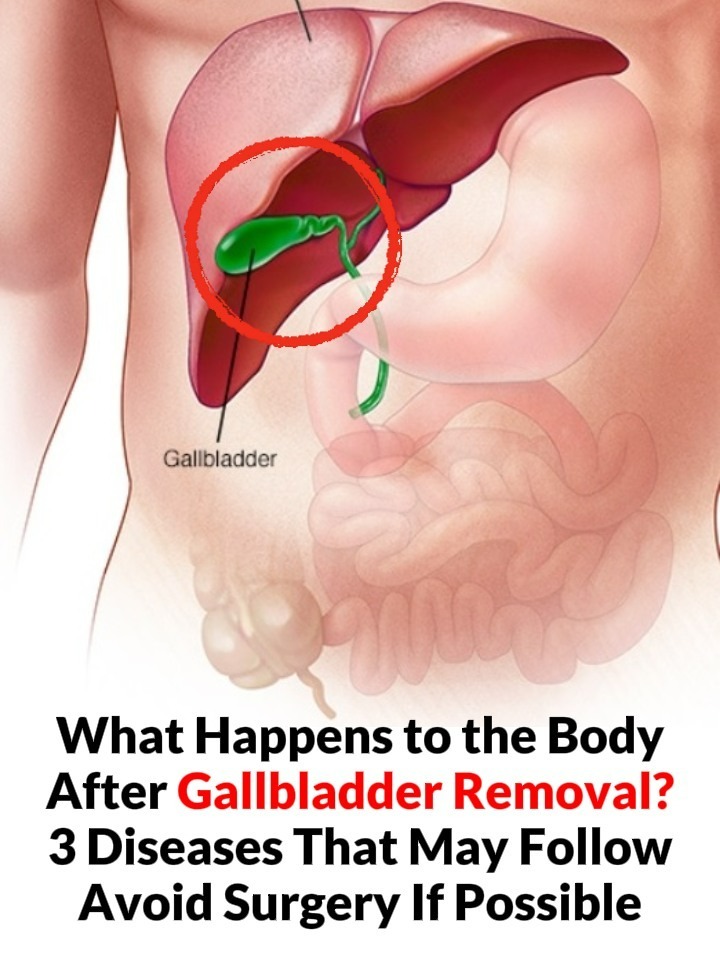
While many people live perfectly healthy lives without a gallbladder, some studies suggest an increased risk of certain conditions post-surgery.
1. Diarrhea and Bile Acid Malabsorption
What happens: Without a gallbladder to regulate bile flow, excess bile acids can enter the colon, irritating the lining and causing watery diarrhea.
How common: Up to 20% of people who have their gallbladder removed experience chronic diarrhea.
What helps:
Eating smaller, more frequent meals
Limiting high-fat foods
Avoiding caffeine and dairy (for some people)
Medications that bind bile acids (prescribed by a doctor)
2. Increased Risk of Fatty Liver Disease
What happens: The constant dripping of bile into the intestine may alter fat metabolism. Some studies suggest a higher risk of non-alcoholic fatty liver disease (NAFLD) after cholecystectomy.
The research: A 2017 study found that people who had their gallbladder removed had a higher incidence of fatty liver compared to those who didn’t.