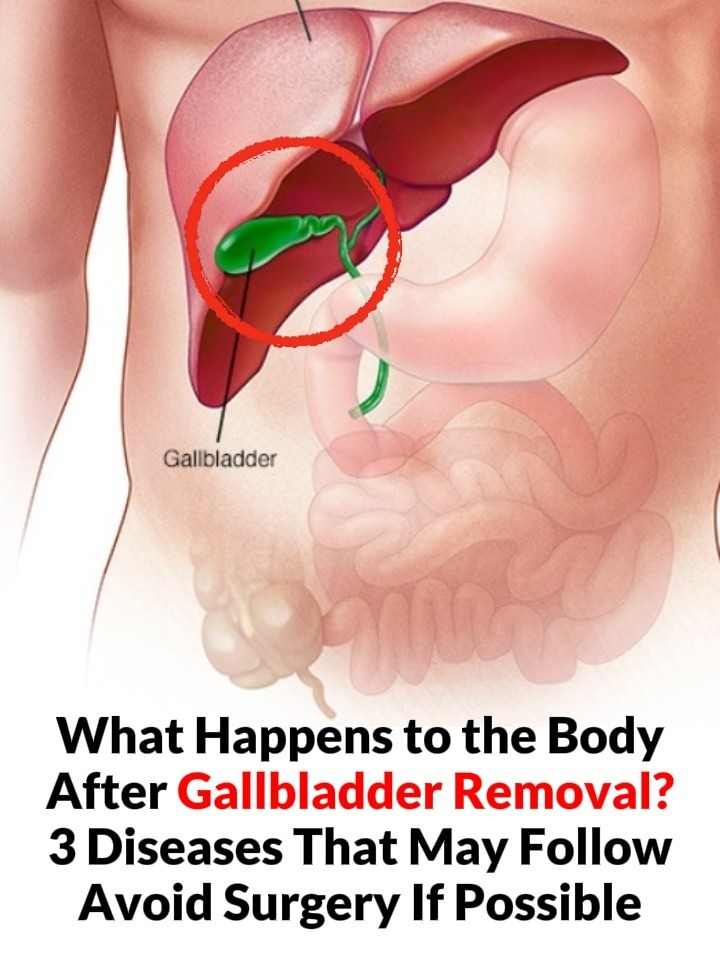
The gallbladder is not an essential organ for survival—you can live without it. But life without a gallbladder is different. Your body must adapt to a new way of digesting fats, and for some people, these adaptations come with challenges.
Here’s what happens to your body after cholecystectomy (gallbladder removal surgery).
Immediate Changes After Surgery
1. Bile Flows Continuously, Not on Demand
Without a gallbladder to store and concentrate bile, your liver still produces bile—but now it drips continuously into your small intestine instead of being released in concentrated bursts when you eat fatty foods.Food
What this means: You may have difficulty digesting large or fatty meals, especially in the first few months after surgery.
2. Digestive Adjustments
Your digestive system needs time to adapt. Many people experience:
Loose stools or diarrhea, especially after fatty meals
Bloating and gas
Indigestion
Nausea
For most people, these symptoms improve within weeks to months as the body adjusts.
3 Diseases and Conditions That May Follow Gallbladder Removal