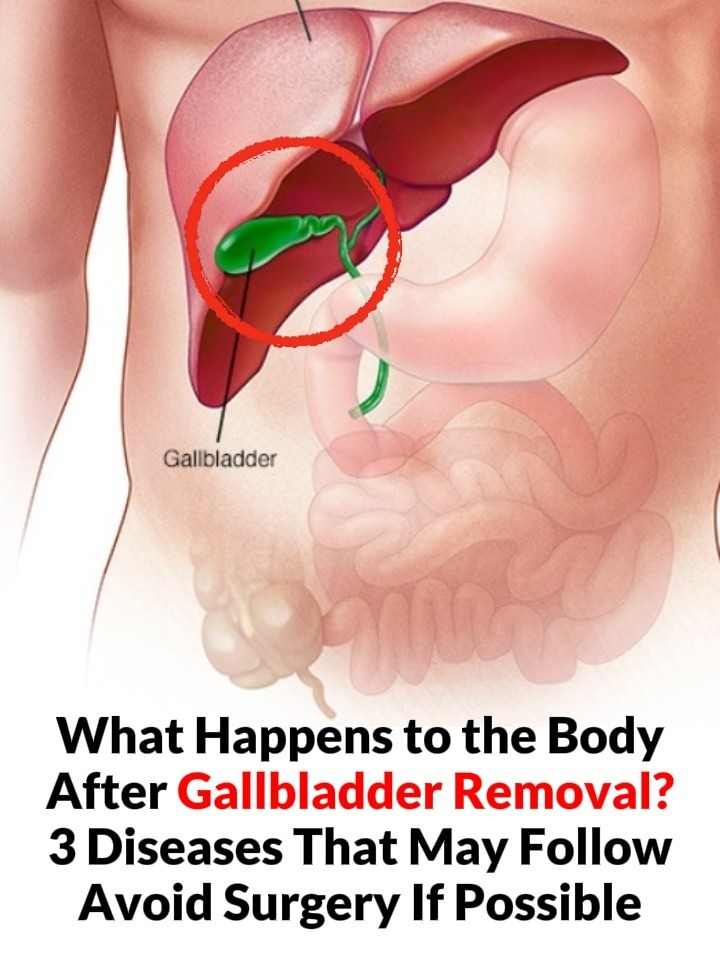
Some research indicates a higher incidence of GERD after cholecystectomy, though the link isn’t fully understood.
How to Thrive Without a Gallbladder
If you’ve already had your gallbladder removed—or are facing surgery—these strategies can help you adapt:
1. Eat Smaller, More Frequent Meals
Large meals overwhelm your digestive system. Smaller meals give your body time to handle fats without a gallbladder’s help.
2. Limit High-Fat Foods (Especially at First)
Your body will struggle most with fatty meals. Start with low-fat options and slowly reintroduce healthy fats to see what you tolerate.
3. Increase Fiber Gradually
Fiber helps bind excess bile acids and can improve diarrhea. Introduce it slowly to avoid bloating.
4. Stay Hydrated
Water helps keep your digestive system moving smoothly.
5. Consider a Bile Binder
If chronic diarrhea persists, ask your doctor about medications that bind bile acids.
6. Monitor Your Weight and Liver Health
Regular checkups can catch potential issues like fatty liver early.
7. Keep a Food Diary
Track what you eat and how you feel. You may notice patterns—certain foods trigger symptoms, while others are well-tolerated.Food
Foods to Embrace and Avoid
Easier to Digest:
Lean proteins (chicken, fish, tofu)
Cooked vegetables