.
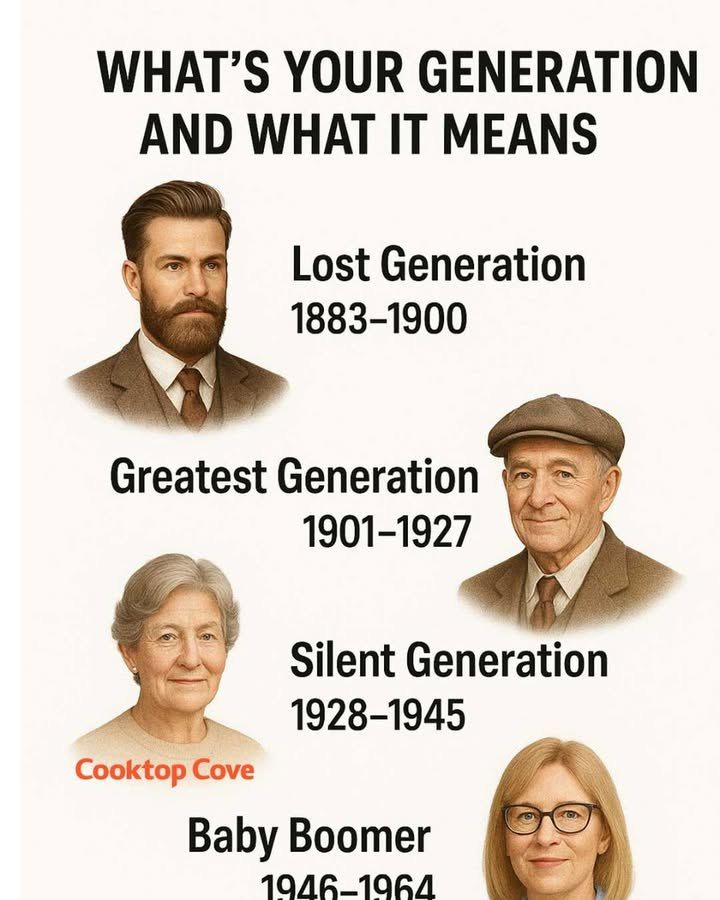
Generations are more than just a span of years; they encapsulate the collective identity of a group of people born around the same time. This identity influences everything from work ethics and communication styles to technological adoption and values. As we delve into the characteristics and historical contexts of each generation, we gain insights into their impacts on society and the legacy they leave behind.The Lost Generation refers to those born between 1883 and 1900, a cohort deeply affected by World War I and the disillusionment that followed. This generation witnessed the horrors of trench warfare and the profound socio-economic changes post-war. The term 'Lost Generation' was popularized by author Gertrude Stein and epitomized by writers like Ernest Hemingway and F. Scott Fitzgerald, who captured the existential angst and moral decay of the era in their works.
Members of the Lost Generation were pioneers in modernist literature and art, challenging traditional norms and seeking meaning in a rapidly changing world. Their experiences during the war led to a profound skepticism of authority and a focus on individualism. This generation's contributions laid the groundwork for the cultural and intellectual movements of the 20th century, influencing everything from literature to