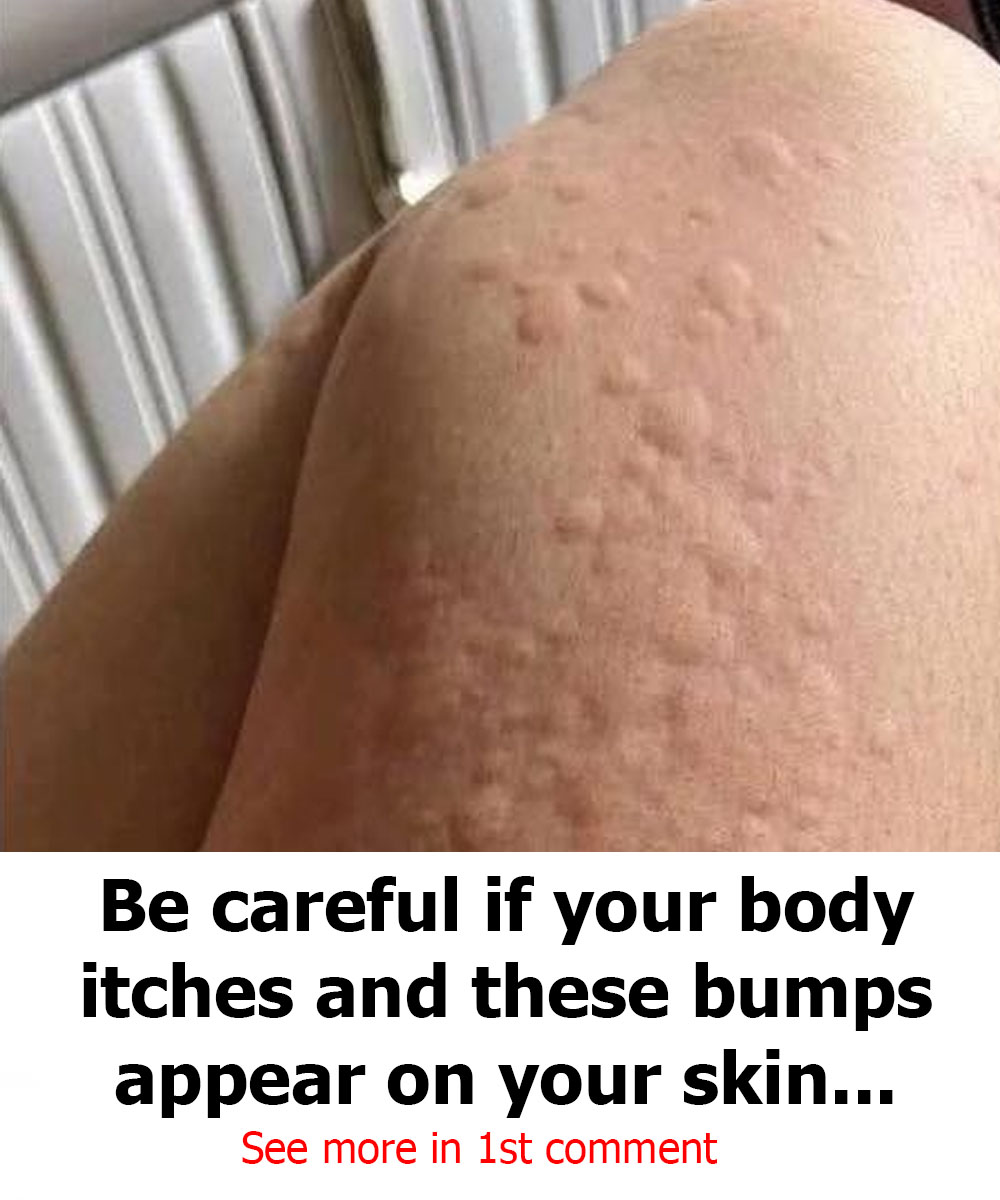
r when mast cells in your skin release histamine and other chemicals into your bloodstream. This causes tiny blood vessels (capillaries) to leak fluid, creating swollen, itchy patches on the skin.
Typical symptoms include:
Red or pale welts, often with a defined border
Intense itching (pruritus)
Temporary appearance — most welts fade within 24 hours without leaving a trace
Reappearance in new locations as others disappear
When Hives Go Deeper: Angioedema
In some cases, hives are accompanied by angioedema, which is swelling in the deeper layers of the skin. This often affects the eyelids, lips, hands, feet, or even genitals. If swelling occurs in the throat or tongue, seek immediate medical attention, as it can interfere with breathing.
Types of Urticaria
Hives are usually classified based on how long they last:
1. Acute Urticaria
Lasts less than six weeks
Often triggered by identifiable causes such as allergens or infections
2. Chronic Urticaria
Persists for more than six weeks
Often idiopathic (no known cause)