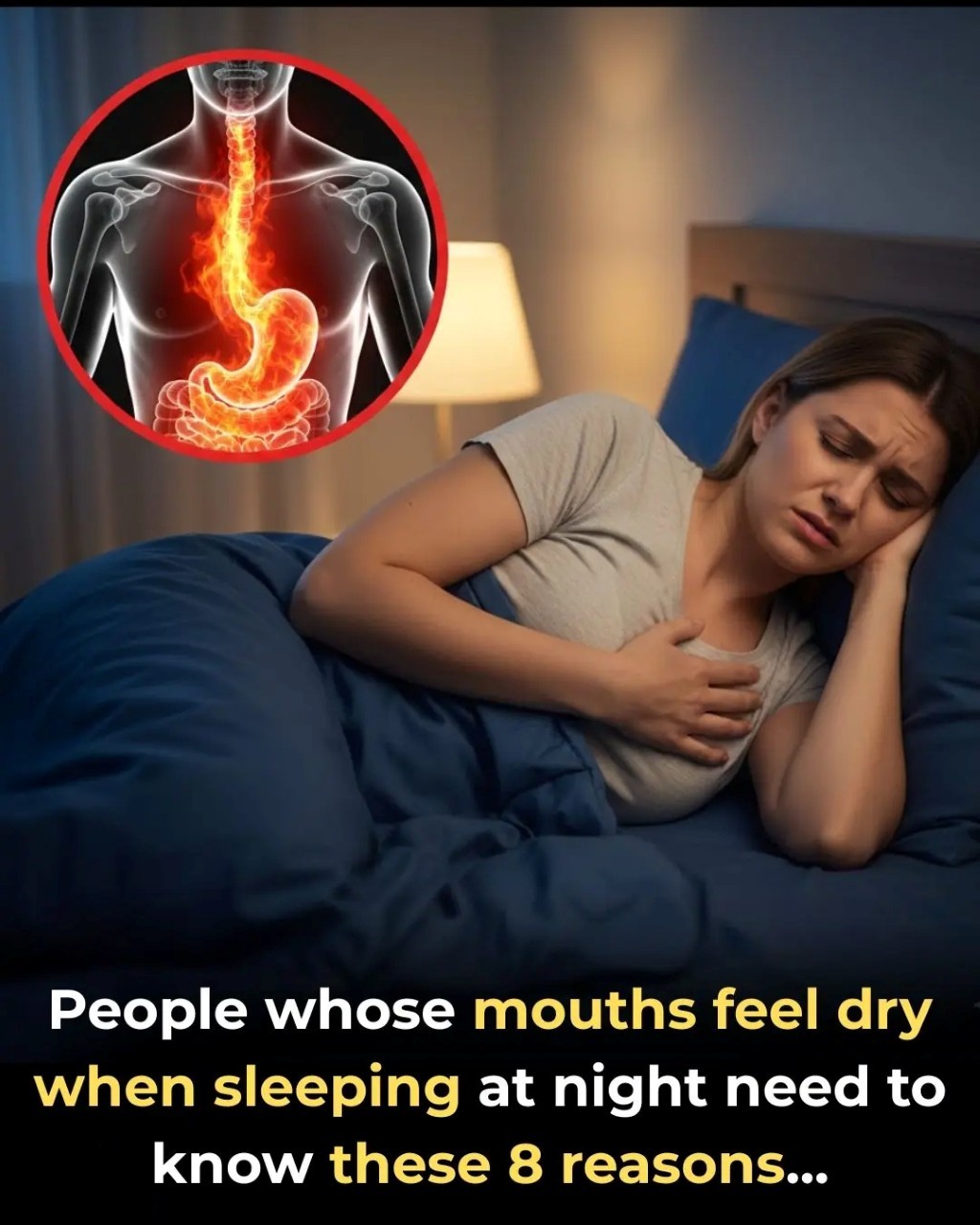
7. Mouth Breathing During Sleep
Breathing through the mouth while sleeping greatly reduces saliva levels.
The Sleep Foundation explains that mouth breathing dries out oral tissues and is often linked to nasal congestion, allergies, or sleep disorders such as sleep apnea. Using a humidifier, managing allergies, or treating breathing issues can significantly improve nighttime dryness.
8. Tobacco, Alcohol, and Drug Use
Certain substances are well known for drying out the mouth:
Substance Effect
Tobacco Reduces saliva flow
Alcohol Acts as a diuretic, increasing dehydration
Recreational drugs (including marijuana) Causes "cottonmouth"
Methamphetamine Results in extreme dry mouth and long-term dental damage
Publicité6. Hyperthyroidism or a High Metabolism
An overactive thyroid increases many body processes—including fluid loss.
According to Verywell Health, hyperthyroidism may cause frequent urination, anxiety, heat intolerance, and dehydration, all of which can contribute to dry mouth. When dryness occurs alongside unexplained weight loss, tremors, or nervousness, thyroid testing may be worth considering.
7. Mouth Breathing During Sleep