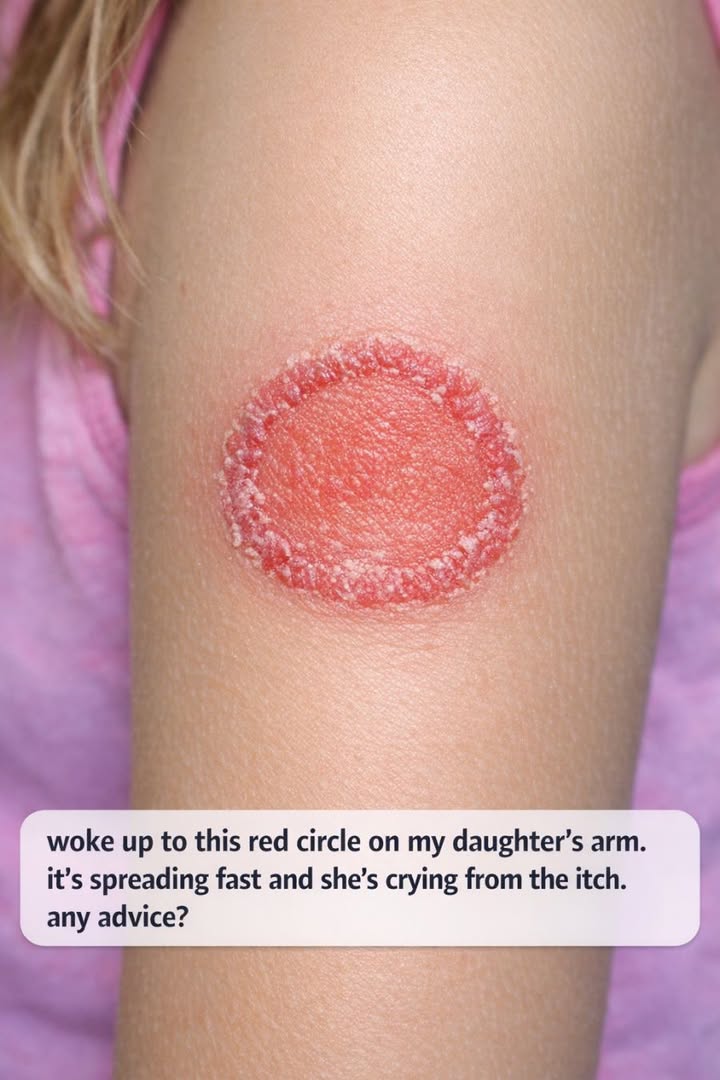
Antifungal creams such as clotrimazole or miconazole are effective in treating ringworm. Apply a thin layer to the affected area twice daily, following the instructions on the package for duration of use, typically two to four weeks.
In addition to medication, maintaining good hygiene and keeping the skin dry can expedite healing. Use gentle, fragrance-free products to avoid irritation, and encourage your child to wear loose-fitting clothing to minimize discomfort.
6. Common Mistakes Parents Make That Make Ringworm Worse
One common mistake is covering the rash with tight bandages or clothing, which creates a moist environment where the fungus can thrive. Another is discontinuing treatment prematurely; even if the rash appears to clear, it’s important to complete the full course of antifungal medication to prevent recurrence.
Using steroid creams can also worsen fungal infections, as they can suppress the body’s natural immune response and allow the fungus to spread.
7. How Contagious Is It? Protecting Siblings, Classmates, And Pets
Ringworm is highly contagious and can be spread through direct skin contact or by touching contaminated objects like towels, clothing, and bedding. Pets can also transmit the infection, so it’s important to check them for signs of ringworm and treat them if necessary.