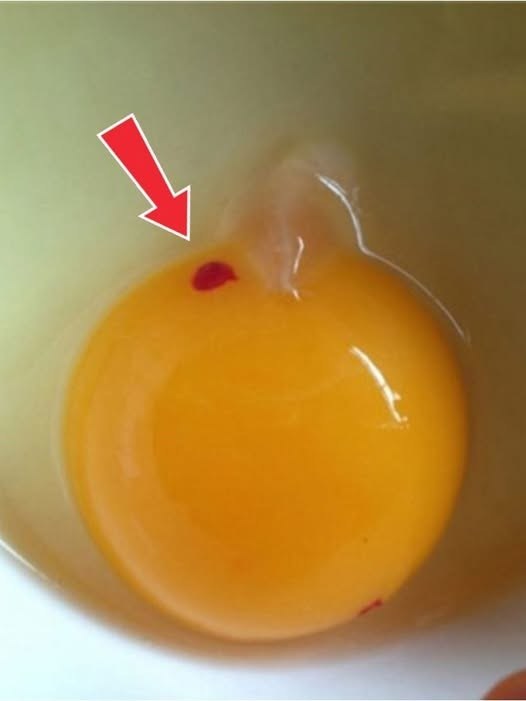
Where the spot appears can offer a small clue about its origin:
A spot in the yolk indicates the vessel broke in the hen's ovary during the formation of the yolk.
A spot in the egg white suggests the rupture occurred later, as the egg traveled through the oviduct, where the white and shell are added.
These small breaks are a natural, occasional occurrence and do not harm the egg in any way.
Best Practices for Handling and Cooking Eggs
Red spots aside, the most important part of enjoying eggs safely is proper storage and cooking. A few simple habits can help keep your kitchen confident and your meals enjoyable.
Storage Tips:
Refrigerate promptly: Store-bought eggs should be placed in the refrigerator as soon as you bring them home. Keep them in their original carton on an interior shelf, not in the door, where temperatures fluctuate.
Farm-fresh eggs: Unwashed farm eggs with the bloom intact can be kept at room temperature for a short time, but for longest life, refrigeration is still best.
Inspect shells: Avoid using eggs with cracked shells, as cracks can allow harmful bacteria like Salmonella to enter.