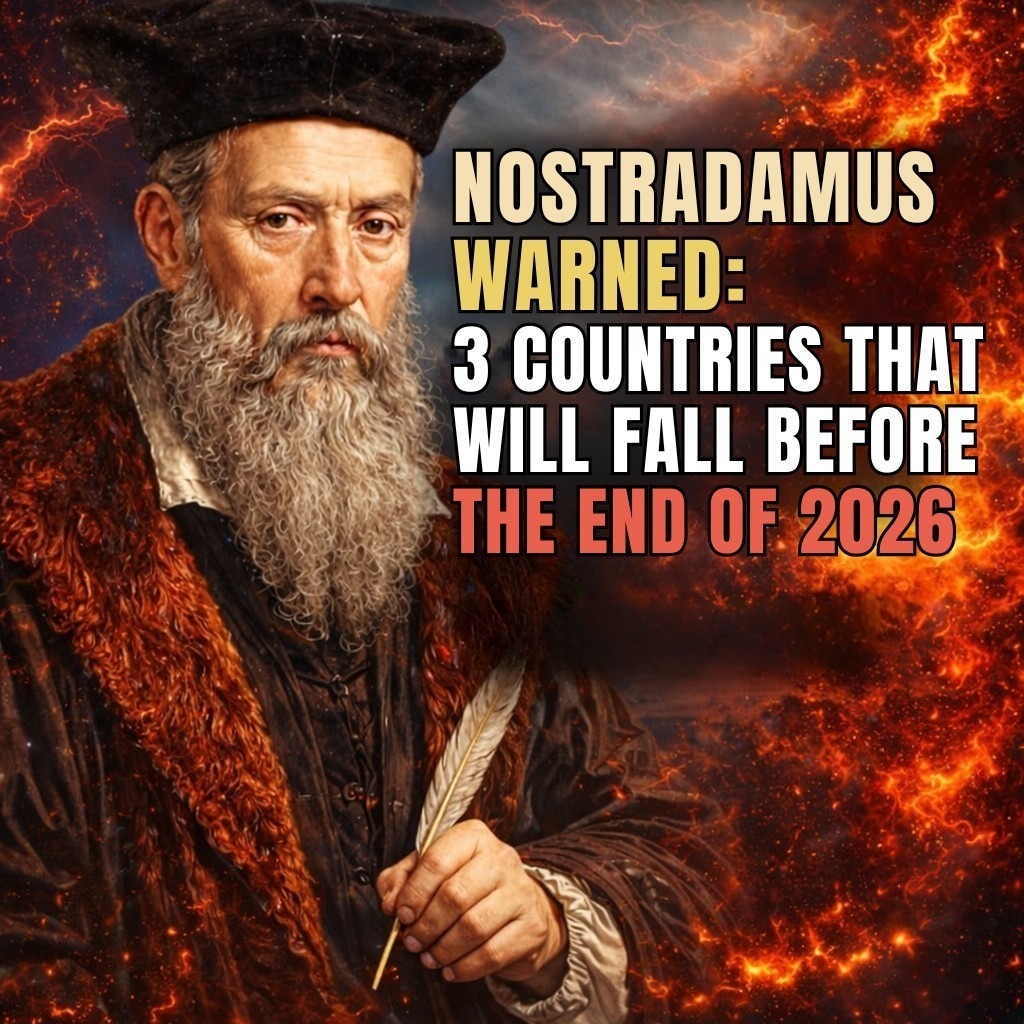
Scholars universally agree: Nostradamus did not predict specific future events. His quatrains are too vague, too poetic, and too rooted in 16th-century cosmology to function as literal forecasts. Yet three themes recur in contemporary readings—each reflecting present-day concerns more than Renaissance prophecy:
1. The Shadow of Global Conflict
1. The Shadow of Global Conflict
Certain quatrains describe prolonged warfare involving “eastern” powers and references to a “27-year war.” Modern interpreters sometimes map these phrases onto tensions between major powers—framing them as warnings of a “third world war.” Yet the original text names no nations, describes no technologies beyond its era, and could equally describe the Thirty Years’ War (1618–1648) that followed Nostradamus’s death. What resonates today is not prediction—but our own fear of escalation in an unstable world.
2. Earth in Turmoil
Verses mentioning “fire from the sky,” floods, and withering harvests feel eerily familiar in an age of climate anxiety. Some read these as prescient warnings of ecological collapse. But such imagery also describes volcanic eruptions, biblical plagues, and medieval famines—all within Nostradamus’s historical frame of reference. The power of these lines lies not in foresight, but in their timeless evocation of nature’s wrath—a theme that gains urgency as our planet warms.
3. The Unraveling of Order
Other quatrains speak of “kings cast down” and “old orders broken.” In eras of political upheaval—from the French Revolution to Brexit—readers have seen their own revolutions in these words. Today, amid democratic backsliding and institutional distrust, the verses feel newly relevant. Yet again: Nostradamus wrote of his world’s fragility. We hear echoes of ours.
The Cycle of Interpretation