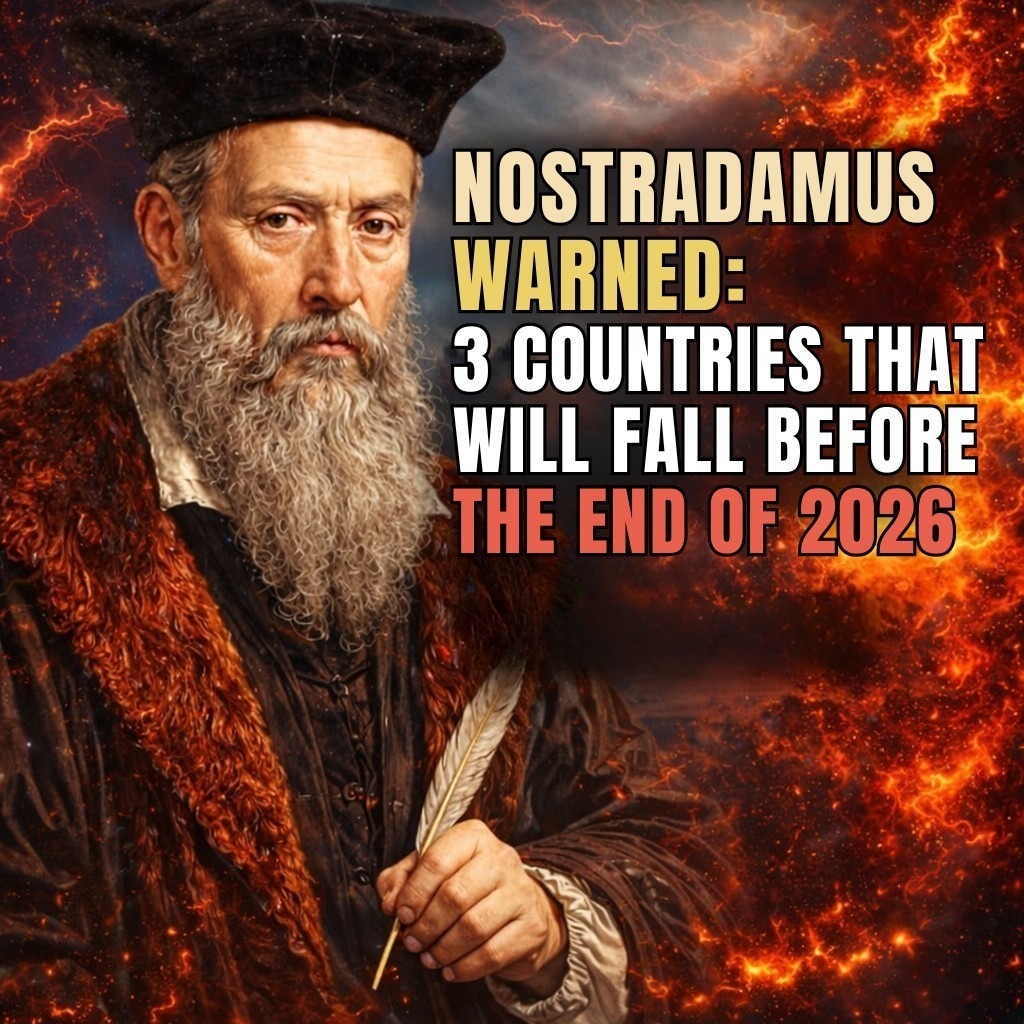
A key to understanding Nostradamus lies in recognizing a phenomenon scholars call retroactive prophecy: vague texts are reinterpreted after events occur, creating an illusion of prediction. When a war erupts, a flood devastates a coast, or a leader falls, enthusiasts comb quatrains for phrases that could fit—and declare confirmation. The process works precisely because the language is ambiguous enough to accommodate almost any outcome.
This isn’t deception—it’s human nature. We seek patterns in chaos. We crave meaning in uncertainty. Nostradamus’s genius (intentional or not) was crafting verses spacious enough to hold centuries of collective anxiety.
A Balanced Perspective
Nostradamus was a product of his time—a learned man navigating faith, science, and power in a volatile age. His writings reflect Renaissance cosmology, not 21st-century geopolitics. Historians emphasize:
✓ His quatrains contain no verifiable predictions of specific future events
✓ Their power lies in poetic ambiguity, not prophetic accuracy
✓ They reveal more about our hopes and fears than about his foresight
Yet dismissing them entirely misses their cultural value. These verses endure because they give form to a universal human impulse: the desire to believe that chaos has pattern, that suffering has purpose, that someone—somewhere—understands the arc of history.