7. Cracked, Washed, Or Warmed: Handling Mistakes That Speed Up Spoilage
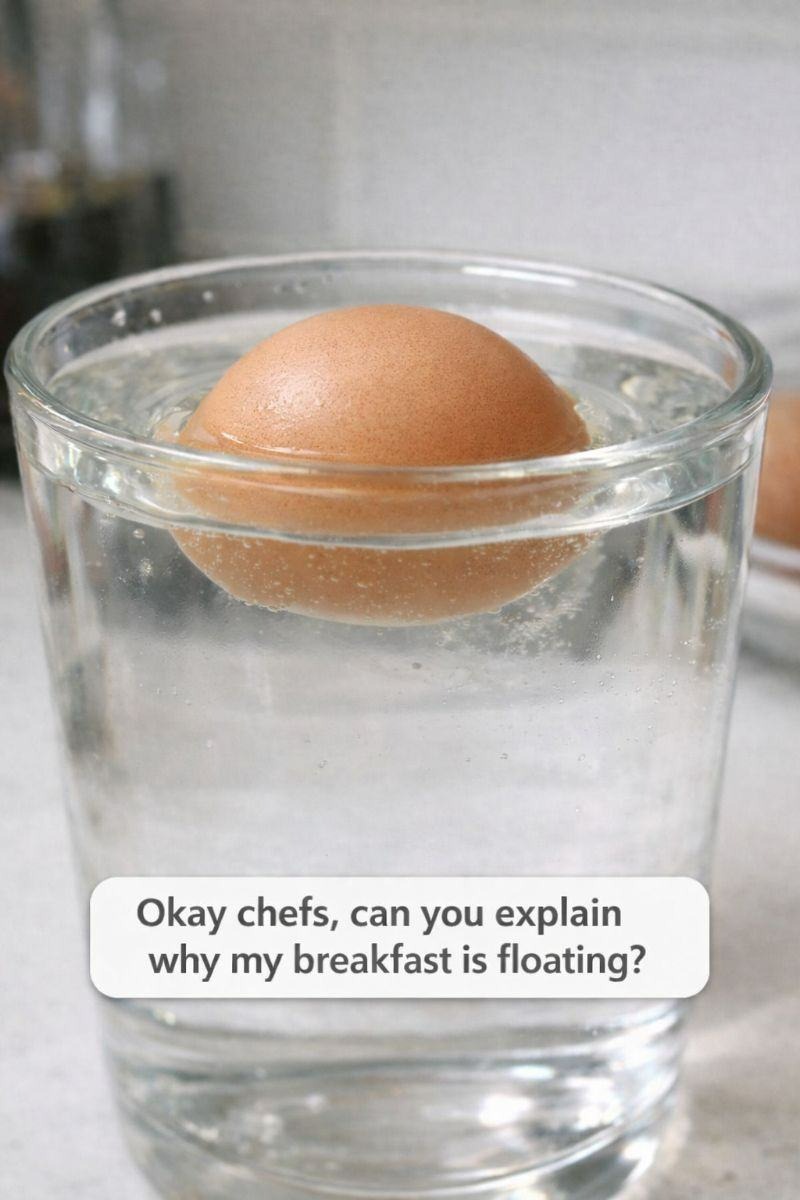
Handling eggs with care is essential to maintaining their freshness. Cracked eggs should be used immediately or discarded, as the breach in the shell allows bacteria to enter and spoil the egg quickly. Similarly, washing eggs can remove the protective bloom, a natural coating that prevents bacteria from penetrating the shell.Allowing eggs to sit at room temperature for extended periods can also hasten spoilage. Eggs should be returned to the refrigerator promptly after purchase and after each use. Maintaining consistent cold storage conditions prevents the air cell from enlarging rapidly, preserving the egg’s freshness.
8. How Long Eggs Really Last: Sell-By Dates Vs. Actual Freshness
Egg cartons typically display a sell-by date, which indicates the period during which the eggs are at their peak quality. However, eggs can remain safe to consume for several weeks beyond this date if stored properly. In general, eggs can last 3 to 5 weeks in the refrigerator from the date of purchase.