In this article, we’ll break down what plantar warts actually are, how to tell them apart from calluses, how to treat them, and how to prevent them from appearing and causing discomfort.
1. Why plantar warts are often mistaken for calluses
When you notice a thickened patch of skin on the sole of your foot, the first thing that comes to mind is obviously a callus. Calluses are merely a natural defense mechanism your body uses to protect you from constant rubbing or pressure. Eventually, that outer layer of skin will become hardened in order to protect the skin from further harm, and will feel rough and hard to the touch. For most people, calluses aren’t a problem since they can often be treated with simple exfoliation of the skin.
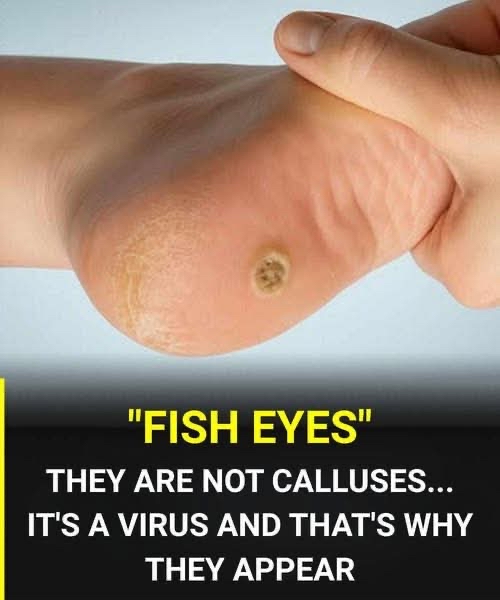
A plantar wart on the other hand is much more than just hardened skin. It’s a viral infection triggered by specific strains of the human papillomavirus (HPV), NHS explains. Further, they define warts and plantar warts (often referred to as verrucas), as small lumps on the skin caused by the virus. Although they usually appear on the sole of your foot, just like calluses, they are fundamentally different.
Unlike calluses caused by rubbing, plantar warts develop when the HPV virus sneaks into the skin through tiny cuts and cracks or abrasions, Mayo Clinic notes. Once the virus settles in, it begins to stimulate unusual growth. Since it’s viral, the virus has the potential to spread across the foot or even to other people in the right environment, which isn’t the case with calluses.
Plantar warts often grow inwards due to the pressure of walking, especially on the heel or ball of the foot, they are usually hidden under a thick layer of skin. This is what makes the wart appear as callus at first glance, but using callus remedies on a wart can only slow down the healing process and even trigger a painful irritation.
2. Causes and signs that can help identify plantar warts