What causes each?
As described above, calluses form when the skin is constantly grinding or pressing against the shoe, the ground, or even another toe. When this happens, the skin creates sort of a shield that helps protect it against the friction. It is not infectious or contagious.
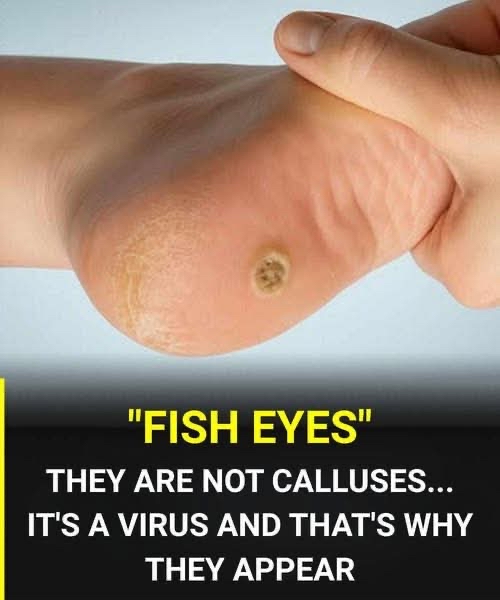
Plantar warts on the other hand are infectious. HPV thrives on warm, dump surfaces like locker room floors, public showers, and pool decks. If you walk barefoot in places like these even with a microscopic nick on your foot, the virus will take advantage of the opening and will invade the foot. Since it’s an active infection, the wart can spread to other parts of your foot and even to other people.
Appearance
Although they are similar in appearance, there are a few differences between calluses and plantar warts:
Plantar warts tend to have a rough appearance. When you look closely, you may even see tiny black dots inside the wart. These are actually tiny clotted blood vessels, which are sometimes called “wart seeds.”
Calluses tend to have a more even appearance. There are no black dots inside a callus.
As plantar warts are viral in origin, this also interferes with the natural fingerprint-like ridges of your skin. A doctor can usually immediately tell if the lines in the skin are indicative of a wart or just hardened skin.
Pain and sensation
The way that the pain feels can often be the most obvious clue:
Calluses generally hurt if you press directly down on them, such as if you’re standing still.
Plantar warts sting more if you pinch them from the sides. This is because the pressure of walking pushes them inwards, making the pain deeper.
While calluses often occur in areas such as the heel or the ball of the foot because these areas have the most friction, plantar warts can occur anywhere on the sole where the virus entered the foot.
3. Treatment, prevention, and why proper diagnosis matter