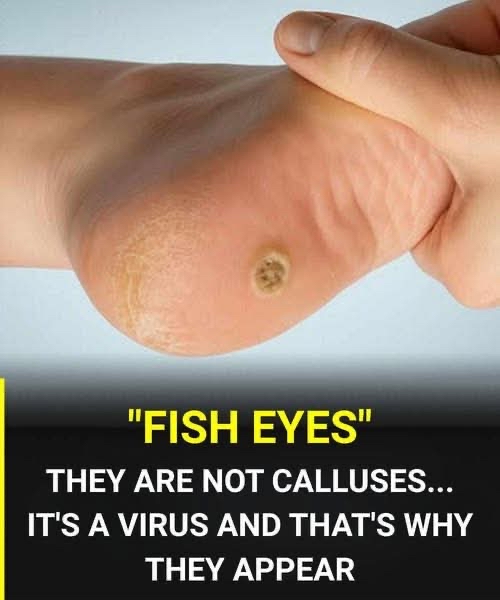
The greatest risk of incorrectly identifying a wart is that a person might try to “file it away” like a piece of dead skin. While pumice stones or razors used on a wart can remove some of the skin cells on top of it, they won’t kill the virus. In fact, they can cause more pain or even spread the virus to more areas of the skin.
Proper treatment
NHS notes that because plantar warts are caused by a virus, it means the treatment of them focuses on removing the affected area in order to stop the virus from spreading. According to medical standards, some of the most common treatments of plantar warts include:
Salicylic acid – the application of a slow-acting peel on the wart.
Cryotherapy – the application of liquid nitrogen on the wart to freeze it.
Immune system stimulation – in some instances, doctors may apply a stronger acid to stimulate the immune system to fight the virus.
There are cases when the warts go away on their own, especially in young children, but this can take years. Seeking professional help will speed things up, particularly if the wart is painful or spreading. However, it is worth noting that if you’re a diabetic, have poor circulation, or a weak immune system, it is best to consult a professional first before using any home remedies.
Prevention is key
Preventing plantar warts is much easier than treating the problem once it appears. As we already discussed, the virus causing these warts thrives in warm, dump environments and enters the skin through tiny cracks on your foot. A few simple habits can go a long way when it comes to preventing the virus to enter your skin and cause further issues.
One of the most effective steps you can take is to keep your feet clean and dry. Make sure you wash your feet regularly, especially if you have just finished a workout session at the gym. Soap and water are your best friends if you want to avoid issues with plantar warts. After washing,