Surgical Excision Permanently eliminate the potential for recurrence. This elective surgery is performed only after the acute infection has fully subsided (a “quiescent” period). The goal is to remove the entire epithelial-lined tract and any associated cysts using meticulous techniques (e.g., the supra-auricular approach) to minimize damage to the adjacent facial nerve.
The decision to proceed with surgery is always based on the severity and frequency of infections, as the procedure itself carries risks, including scarring and, very rarely, damage to the facial nerve branches.
IV. The Evolutionary and Anthropological Debate
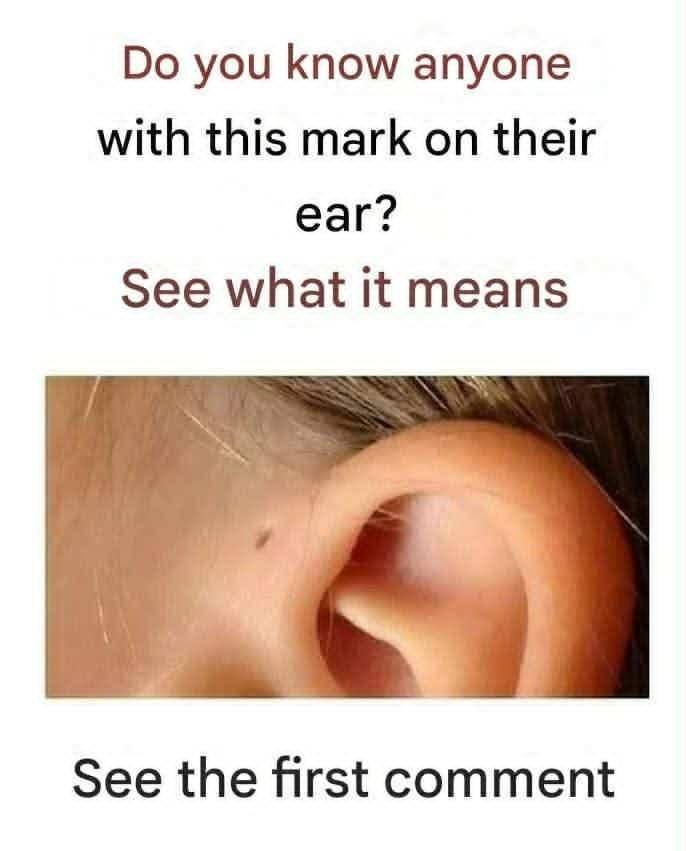
The preauricular sinus has long been a source of fascination for evolutionary biologists and popular science writers, prompting speculative theories that attempt to trace the anomaly’s root not merely to embryology, but to phylogeny (the evolutionary history of a species).
A. The Aquatic Ancestry Hypothesis (Neil Shubin)
The most famous, and most controversial, theory connects the P.A.S. to our distant aquatic past.
The Theory: Popularized by evolutionary biologist Neil Shubin (author of Your Inner Fish), the hypothesis suggests that the preauricular sinus is an atavism—a trait that reappears after having disappeared phylogenetically. Shubin posits that the P.A.S. may be the evolutionary remnant of the gill structures found in fish, reflecting the ancient common ancestry we share with aquatic vertebrates.