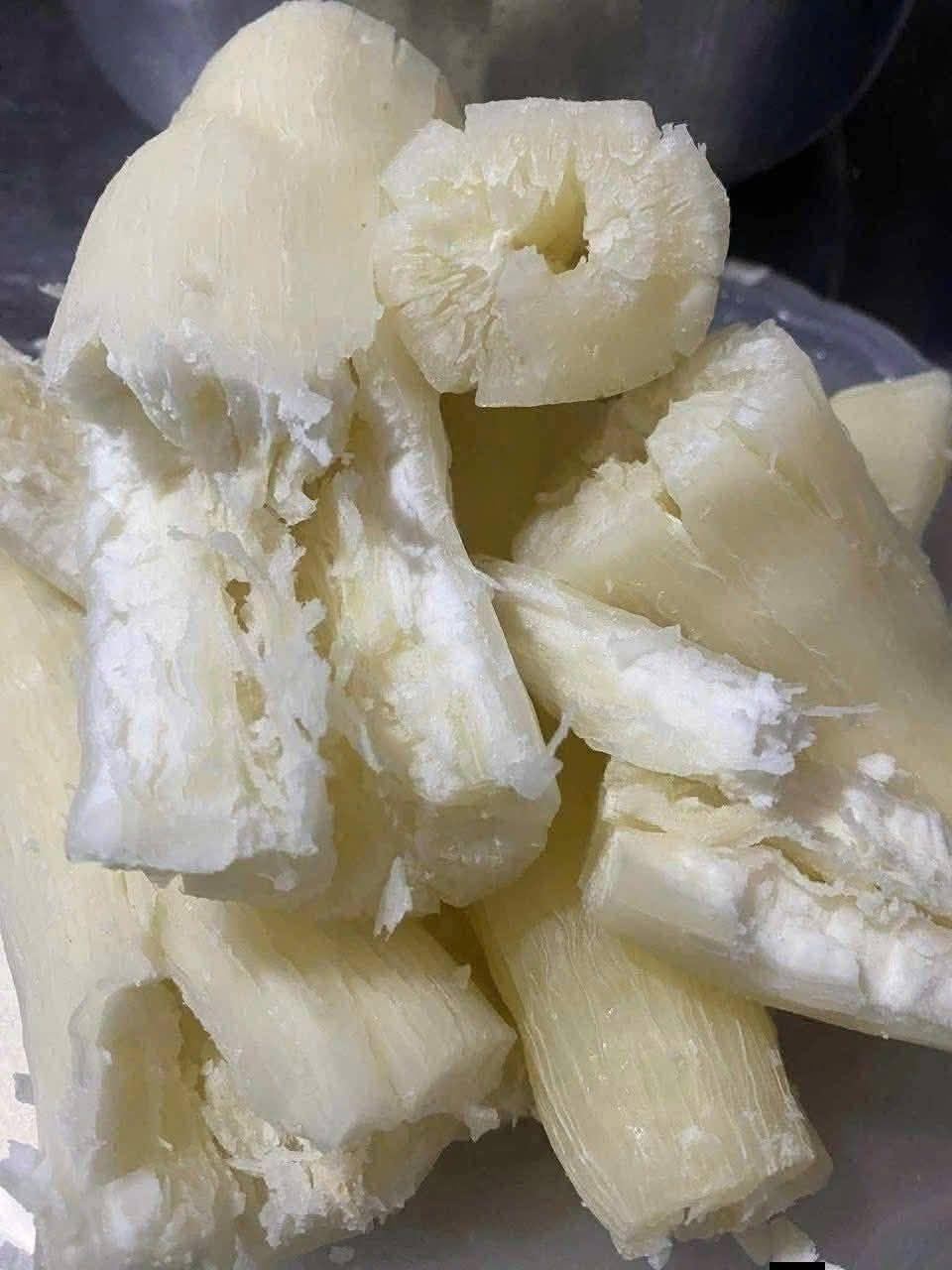
energyVitamin C: Supports immune function and skin healthPotassium: Helps with muscle function and fluid balanceSmall amounts of fiber: Aids digestion (especially in whole-root forms)Cassava is also naturally gluten-free, which makes it popular in gluten-free diets and products like tapioca flour and cassava flour.For people who need affordable, filling food, cassava can be a valuable part of the diet.Why Doctors Warn About Cassava: The Cyanide IssueHere’s where the headlines come from.Cassava naturally contains compounds called cyanogenic glycosides. When the plant is damaged or processed incorrectly, these compounds can release cyanide, a toxic substance.Sweet cassava: Lower in these compoundsBitter cassava: Much higher levels and more dangerous if not handled properlyIn places where cassava is a dietary staple, health problems have occurred when people rely heavily on poorly processed cassava or during times of famine when proper preparation isn’t possible.Potential health risks linked to chronic exposure include:Nerve damage and movement disorders (in extreme, long-term cases)Thyroid problems related to iodine metabolismAcute poisoning in rare but serious situationsThis is why you may see dramatic headlines claiming that “yuca causes poisoning” or “doctors warn against cassava.” The real issue isn’t cassava itself, but how it’s processed and consumed.Is Cassava Safe to Eat?In most parts of the world, the cassava products you buy in stores—like tapioca, cassava flour, or packaged cassava foods—are processed according to food safety standards. These products are generally considered safe when eaten as part of a normal, varied diet.Problems tend to appear when:Cassava is a major daily food with little dietary varietyProcessing methods are inadequate or